

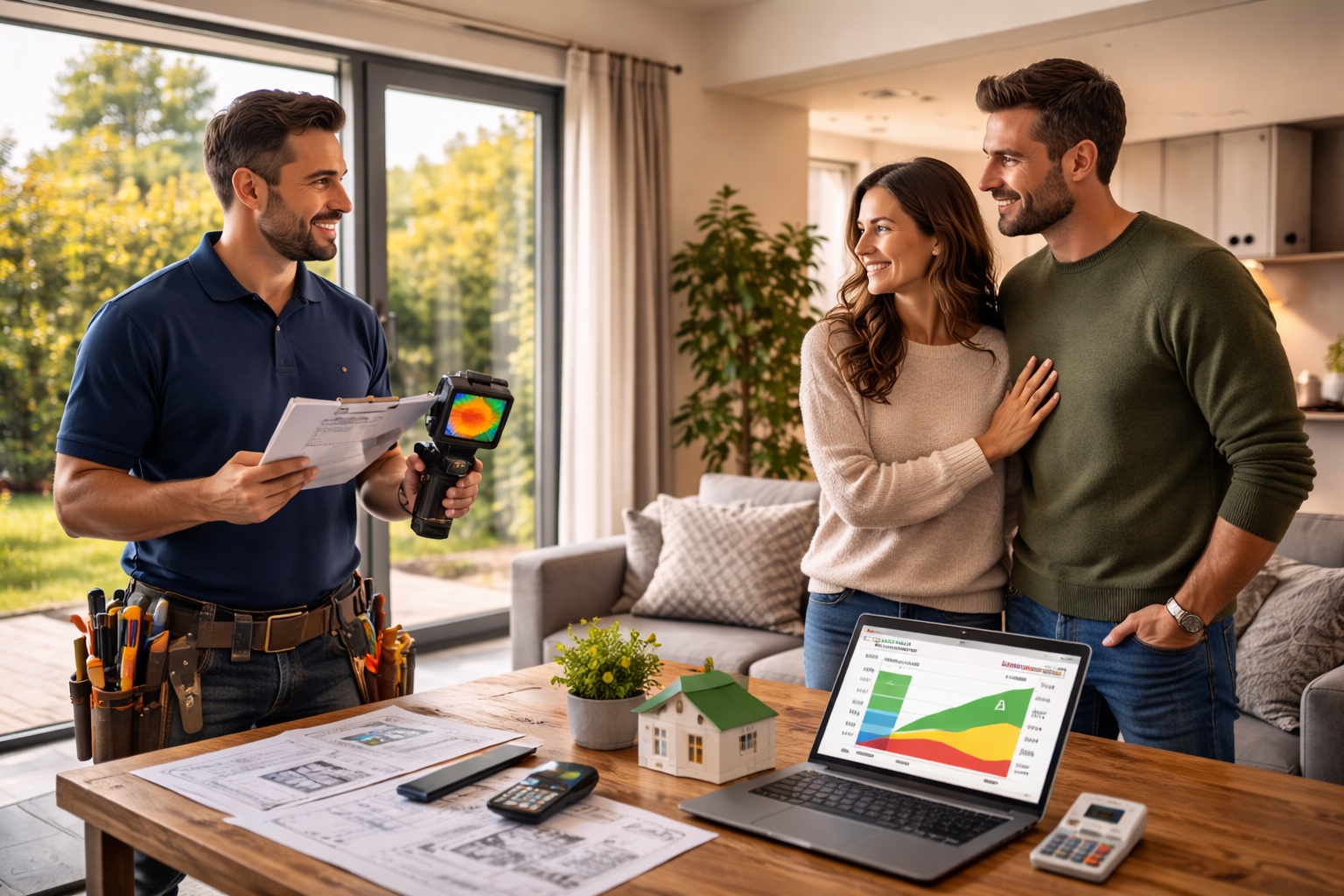
Not all home problems are loud. Some don’t crack. Or leak. Or break. They simply… underperform. That’s often the case with window insulation. You don’t always see it failing. You feel it. In subtle ways. A room that never quite warms up. A thermostat that works overtime. A slight chill near the glass. And over time, those small signals add up.
Comfort Doesn’t Disappear Overnight
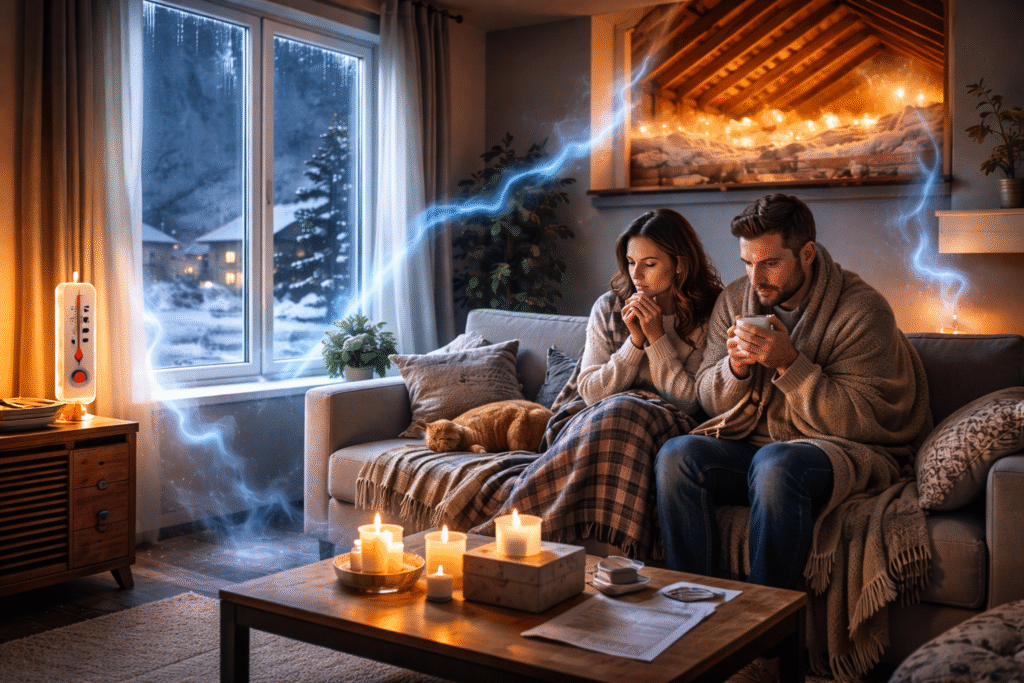
Homes rarely go from efficient to uncomfortable instantly. The shift is gradual. You adjust the thermostat a little higher. You add a blanket near the couch. You avoid sitting close to certain windows. If you’ve noticed persistent drafty windows, your home may be losing more energy than you realize.
Drafts don’t just create discomfort. They indicate air exchange where there shouldn’t be any. And uncontrolled air movement is one of the biggest contributors to inefficiency.
The Cost of Ignoring Small Temperature Shifts
You might not see insulation problems. But your energy bill does.
One of the most common culprits behind rising costs is heat loss through windows. When indoor warmth escapes during colder months—or enters during warmer ones—your HVAC system compensates.
Constantly.
This leads to:
- Higher utility expenses
- Increased system wear
- Uneven room temperatures
- Reduced overall efficiency
It’s not dramatic. It’s steady. And steady loss is expensive over time.
The Subtle Signs You Shouldn’t Overlook
Sometimes insulation issues show up in ways homeowners don’t immediately connect to their windows.
For example:
- A faint whistling sound during windy days
- Curtains that shift slightly when HVAC turns on
- Cold spots near frames
- Condensation forming unexpectedly
These often point to cold air leaks windows, especially in older homes where seals have degraded. Air infiltration may seem minor. But even small gaps can compromise your entire indoor climate balance.
Aging Windows and Declining Performance
Windows don’t need to be broken to be problematic. Many homes still have inefficient windows installed decades ago. They may open and close properly. They may look fine from the outside.
But performance standards have evolved. Modern windows are designed with advanced materials, better glazing systems, and stronger seals that older units simply weren’t built to match. Functionality isn’t the same as efficiency. And comfort depends on both.
Why Insulation Impacts More Than Energy
When insulation weakens, it affects more than temperature. It affects daily living. It changes how rooms feel. It shifts how often your HVAC runs. It influences indoor air balance.
Effective window insulation solutions don’t just seal gaps. They create a controlled indoor environment that stabilizes temperature fluctuations and improves livability. And stability creates predictability. Predictability creates comfort.
What Real Comfort Feels Like
True home comfort isn’t about blasting heat in winter or running AC nonstop in summer. It’s about balance. A living room that feels consistent from morning to night. Bedrooms that stay cozy without constant thermostat adjustments. Air that doesn’t feel dry one hour and stuffy the next.
When insulation improves, homeowners often notice:
- Reduced temperature swings
- Quieter indoor spaces
- Less system cycling
- More even airflow distribution
Comfort becomes effortless. And effortless comfort is the goal.
Why March Is the Right Time to Act
Spring is transitional. Temperatures fluctuate. HVAC systems switch between heating and cooling.This makes March the ideal month to evaluate window performance before peak summer demand hits.
Addressing insulation early means:
- Preparing for rising temperatures
- Preventing excessive summer cooling costs
- Avoiding emergency upgrades later
- Scheduling installation before busy season
Proactive improvements always cost less than reactive ones.
Benefits of Upgrading Insulation
Improving window insulation supports:
- Lower long-term energy expenses
- Increased indoor temperature stability
- Reduced air infiltration
- Enhanced property value
- Improved HVAC efficiency
- Stronger seasonal performance
- Long-term structural protection
Efficiency is never a single benefit.
It’s a chain reaction of improvements.
Professional Evaluation Makes the Difference
Homeowners often try temporary fixes first. Weatherstripping. Sealant. Plastic coverings. Sometimes those help briefly. But comprehensive evaluation identifies root causes instead of masking symptoms.
Professional installation ensures:
- Proper frame alignment
- Complete air sealing
- Modern glazing integration
- Long-term performance stability
Quick fixes fade. Correct installation lasts.
The Bigger Picture
Window insulation isn’t just about weather. It’s about control. Control over comfort. Control over expenses. Control over how your home performs year-round. Small inefficiencies compound over time. But so do smart upgrades. The difference lies in when you decide to act.
Conclusion
Sometimes comfort slips away gradually, not dramatically. Subtle drafts, uneven temperatures, and rising energy bills can all point to declining window performance. Addressing insulation early protects not only your energy efficiency but your daily living experience. A well-performing home doesn’t demand constant adjustment. It simply feels right. And that kind of comfort starts with paying attention to the details that matter most.