

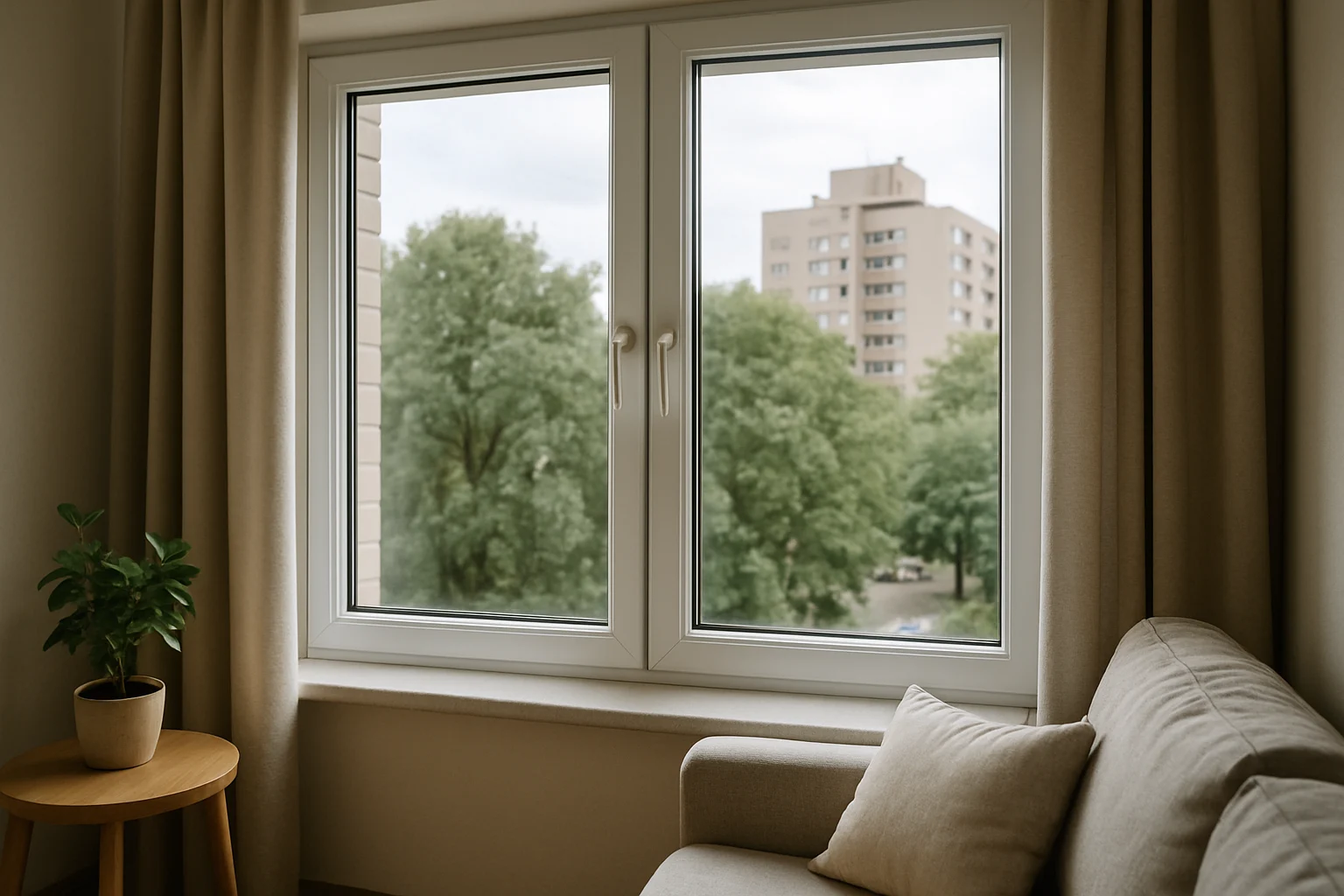
In a fast-paced world filled with traffic, construction, busy neighborhoods, and constant activity, homeowners increasingly seek ways to create calm, quiet living environments. Modern soundproof home windows offer an effective solution for reducing unwanted noise, improving comfort, and enhancing overall well-being. Whether you live in a dense city or simply want a more tranquil interior, understanding today’s advanced sound-control technology can help you make the right choice for your home.
How Modern Acoustic Windows Reduce Noise
Noise enters a home primarily through weak seals, thin glazing, and outdated materials. New innovations in acoustical design tackle these issues by combining specialized construction techniques and multi-layer glass assemblies.
One powerful enhancement is noise reduction glazing, engineered to absorb vibrations and reduce the transmission of external sounds. This technology works by utilizing varied glass thicknesses, laminated layers, and insulating chambers that interrupt sound pathways. As a result, homeowners experience significantly quieter interiors and a noticeable improvement in their daily quality of life.
Window Solutions Tailored for Acoustic Comfort
There is no single method to eliminate noise; instead, effective silence requires layered protection. Today’s advanced window solutions include enhanced sealing systems, inert gas fills, and reinforced frames that minimize sound transfer. These features together create a sealed barrier that limits both low-frequency rumbling and high-pitched disturbances.
Another advantage of these systems is their versatility. Homeowners can choose from numerous styles, sizes, and designs without sacrificing aesthetics. With modern technology, achieving a peaceful home no longer means compromising visual appeal.
How Soundproofing Works at the Material Level
True soundproofing involves more than reducing decibels—it reshapes how sound waves interact with your windows. Acoustic engineering relies on density, damping, and decoupling. Materials such as laminated glass and insulated layers work together to control how sound waves travel.
The addition of specialized interlayers helps disperse energy from external noise sources. This makes the window more resistant to vibrations, which is a crucial factor in blocking sound. By managing these wave patterns, your home becomes quieter and more restful, regardless of outside activity.
Why Homeowners Choose Noise-Reducing Upgrades
As cities grow and neighborhoods evolve, demand for home upgrades that enhance comfort has surged. Homeowners want quieter spaces for work, relaxation, and sleep—especially with more people working from home. Soundproof windows not only increase comfort but also contribute to improved indoor health by reducing stress and enhancing sleep quality.
Another benefit is property value. Homes equipped with acoustic enhancements often attract more interest, particularly in metropolitan or high-traffic areas, making these improvements a smart long-term investment.

Managing Noise in Urban Environments
Living in a city brings energy and convenience, but it also introduces a constant hum of activity. Effective urban noise control requires robust window systems capable of blocking a broad range of frequencies—from honking cars to late-night conversations.
One strong option is upgrading to advanced double-pane windows, which offer improved insulation and sound management compared to older single-layer designs. Additional laminated layers can further enhance performance, providing a comfortable indoor environment despite exterior noise levels.
The Role of Advanced Sound-Blocking Design
All soundproof windows rely on thoughtful engineering. A well-designed sound-blocking window includes features such as:
- Laminated glazing with specialized interlayers
- Dual or triple glass assemblies with variable thickness
- Gas-filled chambers that disrupt noise transmission
- Reinforced frames and compression seals
- Precision installation to eliminate gaps and drafts
These elements create a complete acoustic barrier that significantly reduces noise pollution entering the home.
When Should Homeowners Consider Acoustic Replacements?
Sound-control upgrades are ideal for homes near airports, highways, busy streets, train lines, or commercial districts. They are also beneficial for families seeking greater privacy, individuals who work from home, and anyone sensitive to noise.
If your current windows show gaps, rattling, or poor insulation, upgrading can dramatically change daily comfort while improving energy performance and indoor air control.
Conclusion
Creating a quieter home is possible with thoughtfully engineered window systems designed to minimize noise and enhance comfort. By using advanced materials and modern construction techniques, homeowners can enjoy peaceful interiors even in lively environments. Investing in these upgrades brings long-term benefits in comfort, property value, and overall quality of life.