

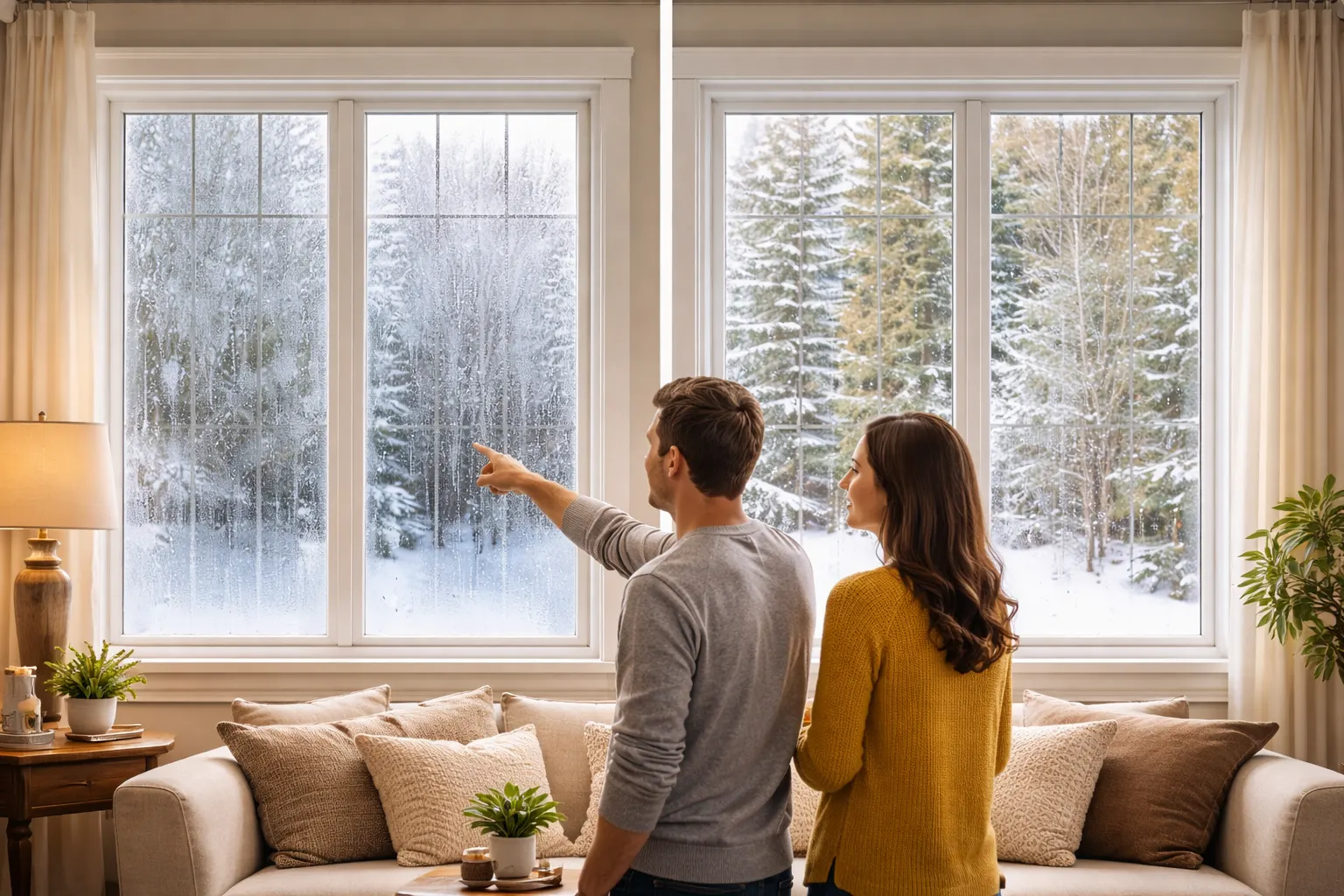
Choosing the right windows is one of the most important decisions homeowners can make when it comes to comfort, efficiency, and long-term value. Windows influence how a home feels, how much energy it consumes, and how well it protects against outdoor conditions. When comparing options, many homeowners find themselves deciding between traditional single pane windows and more modern double pane windows.
Understanding how these two options differ—and what those differences mean for your daily living—can help you make a smarter, more informed investment in your home.
Understanding the Basics of Window Construction
At first glance, all windows may look similar, but their internal structure makes a significant difference in performance. Single-pane models consist of one sheet of glass within the frame. This simple construction was common decades ago, when energy efficiency standards were minimal and heating costs were lower.
Modern alternatives feature multiple layers of glass separated by insulating space. This added structure is designed to reduce temperature transfer, improve comfort, and enhance overall durability.
Why Single-Pane Windows Fall Short Today
Although still found in older homes, single-pane designs struggle to meet modern performance expectations. Because there is only one layer of glass, these windows provide minimal protection against temperature changes, outdoor noise, and drafts.
Common drawbacks include:
- Poor thermal resistance
- Increased indoor temperature fluctuations
- Higher heating and cooling costs
- Limited sound reduction
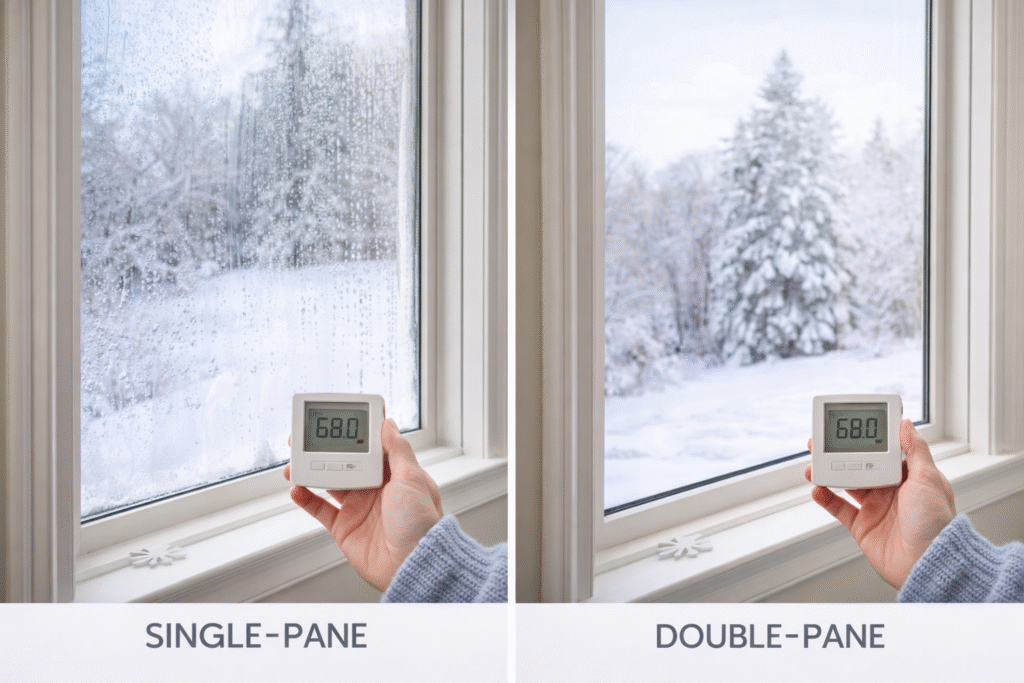
- Greater vulnerability to condensation
As homeowners look for better solutions, these limitations often prompt upgrades.
How Double-Pane Designs Improve Comfort
Double-pane systems introduce an insulating space between two glass layers, dramatically improving performance. This design plays a key role in enhancing window insulation, helping homes maintain consistent indoor temperatures throughout the year.
The insulating space slows heat transfer, which means warm air stays inside during winter and outside during summer. This results in greater comfort and less strain on heating and cooling systems.
Energy Efficiency and Cost Savings
One of the most compelling reasons homeowners upgrade is the reduction of energy loss through windows. Older designs allow conditioned air to escape easily, forcing HVAC systems to work harder and consume more energy.
Upgraded systems help:
- Lower monthly energy bills
- Reduce reliance on heating and cooling equipment
- Maintain more stable indoor temperatures
- Improve overall home efficiency
Over time, these benefits can translate into noticeable financial savings.
The Role of Insulated Glass Technology
Many modern systems use advanced glass assemblies to further enhance performance. Insulated glass windows incorporate specialized spacers and sealed air spaces that improve thermal resistance and reduce condensation.
This technology offers additional benefits such as:
- Improved sound reduction
- Increased resistance to outdoor temperature extremes
- Reduced interior moisture buildup
- Enhanced comfort near window areas
These features contribute to a more pleasant and healthier indoor environment.
Window Efficiency and Daily Living
Upgrading windows isn’t just about saving money—it’s about improving how your home feels every day. Enhanced window efficiency creates a more consistent indoor climate, reducing cold drafts in winter and heat buildup in summer.
Homeowners often notice:
- More comfortable living spaces year-round
- Fewer hot or cold spots near windows
- Improved indoor air comfort
- A quieter home environment
These quality-of-life improvements are often felt immediately after installation.
Comparing Longevity and Maintenance
Another important factor is durability. Single-pane designs are more susceptible to cracking, seal failure, and condensation issues. Modern multi-layer designs are built to withstand temperature changes and everyday wear more effectively.
Benefits of upgrading include:
- Longer lifespan
- Reduced maintenance needs
- Better resistance to weather conditions
- Improved long-term reliability
For homeowners planning to stay in their homes long-term, durability plays a major role in overall value.
Environmental and Resale Considerations
Energy-efficient upgrades appeal not only to current homeowners but also to future buyers. Homes with updated window systems often attract more interest because buyers recognize the value of improved insulation and lower utility costs.
From an environmental perspective, reducing energy consumption helps lower a home’s carbon footprint. Efficient windows contribute to more sustainable living by reducing unnecessary energy waste.
Making the Right Choice for Your Home
When deciding between single-pane and modern alternatives, homeowners should consider climate, budget, and long-term goals. In regions with extreme temperatures, upgraded designs offer clear advantages in comfort and efficiency. Even in milder climates, improved insulation can enhance everyday living.
Key considerations include:
- Local weather conditions
- Age of existing windows
- Current energy costs
- Desired comfort level
- Long-term home plans
Investing in better window performance is often one of the most impactful improvements a homeowner can make.
Conclusion
Understanding the differences between single-pane and double-pane window designs empowers homeowners to make smarter, more confident decisions. Modern window systems offer improved comfort, energy savings, and durability that older designs simply can’t match. By upgrading outdated windows, homeowners can enjoy a more efficient, comfortable, and valuable home for years to come.