

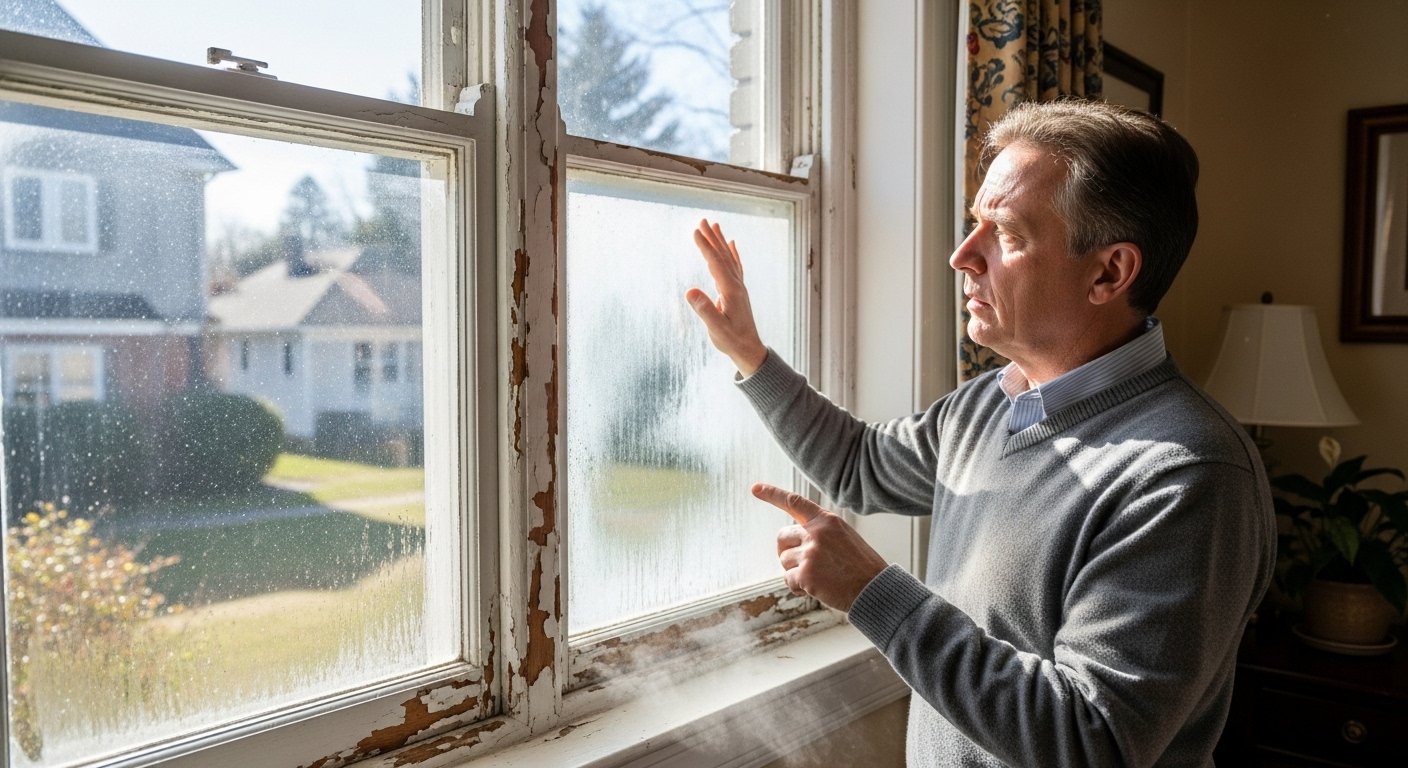
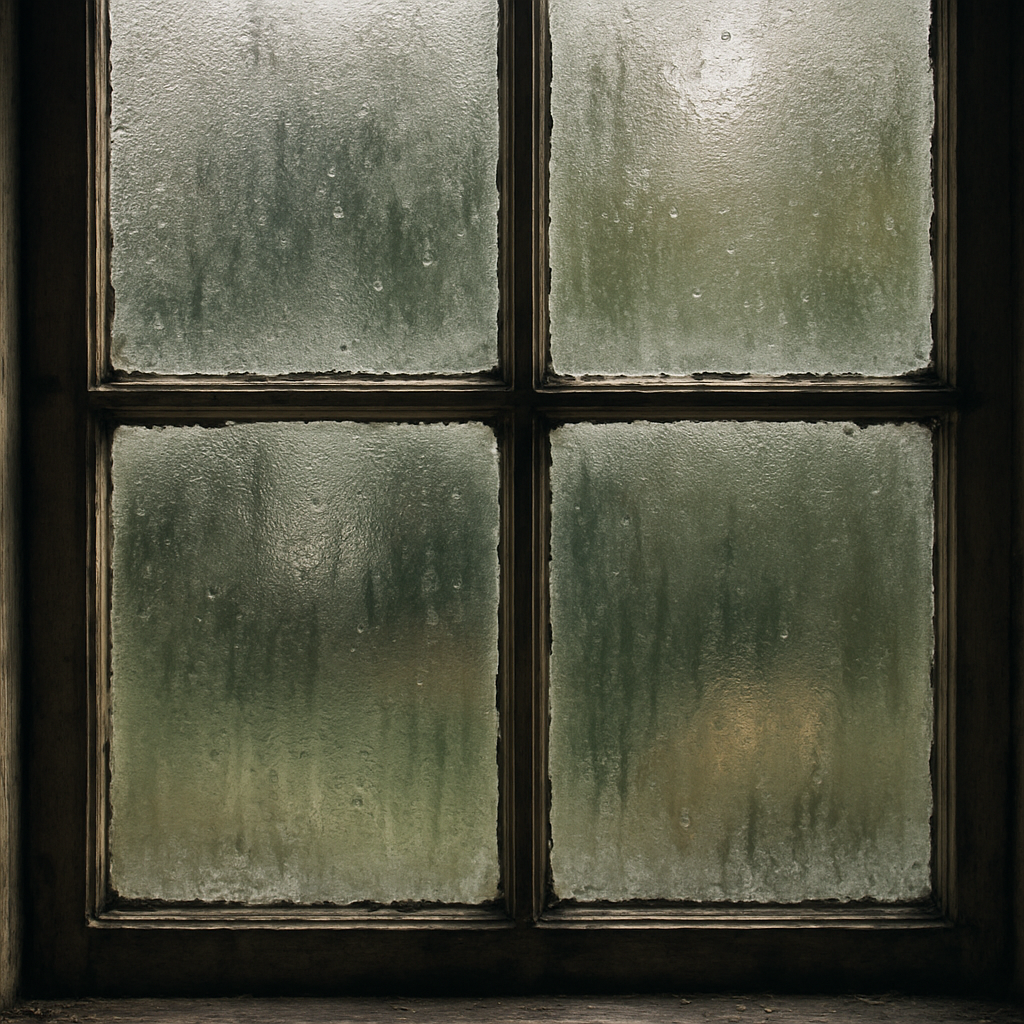
Windows are an essential part of any home, providing natural light, ventilation, and a connection to the outside world. However, like any other component of your house, windows have a lifespan. Recognizing the signs that it’s time for a window upgrade can save you money and improve your home’s comfort and efficiency. In this article, we’ll explore the key indicators that it might be time to replace your windows.
Drafty Windows
One of the most noticeable signs that you need new windows is drafts. If you feel a breeze even when your windows are closed, it’s a clear indicator of poor window performance. Drafts are often caused by gaps, cracks, or worn-out seals around the window frames. Not only do drafty windows make your home uncomfortable, but they also lead to higher energy bills as your heating and cooling systems work overtime to maintain a consistent temperature.
Window Condensation
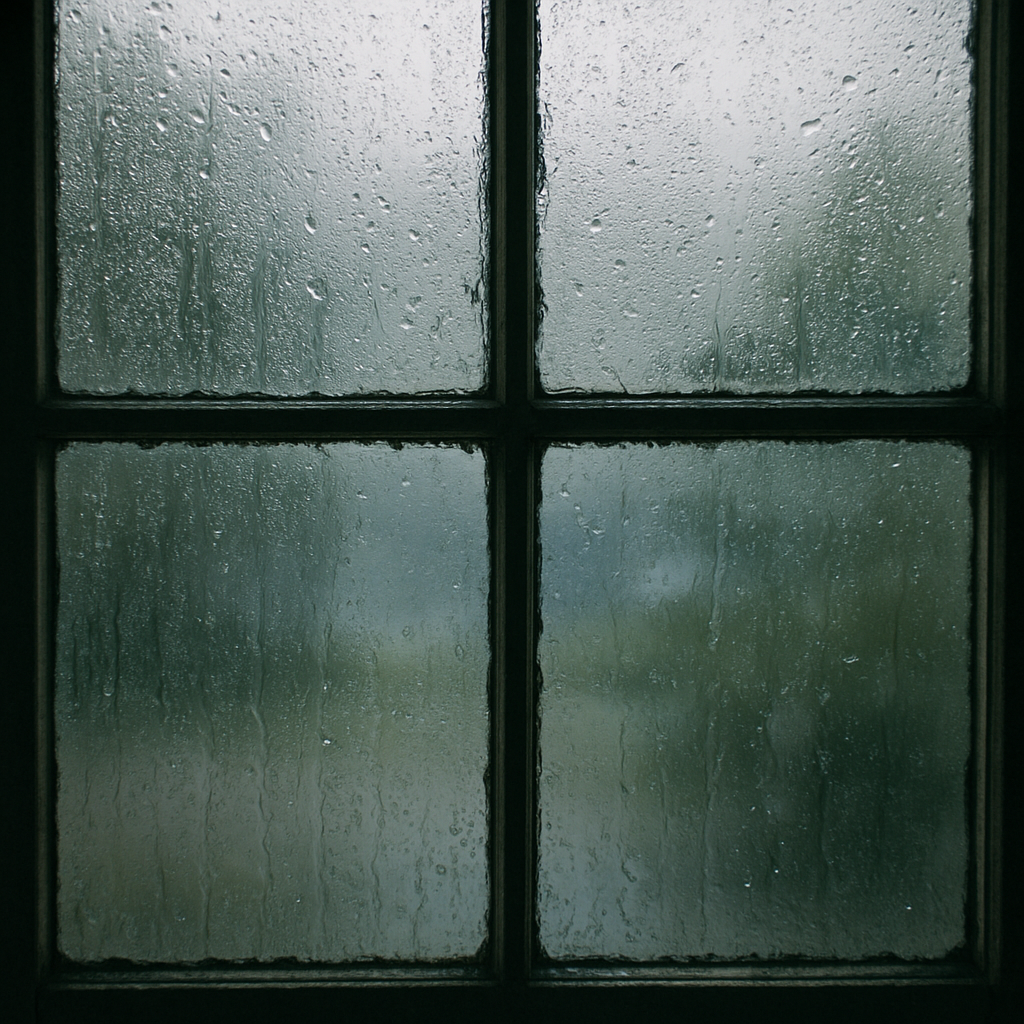
Condensation forming on your windows can be a sign of failing window seals. While a little condensation on the outside is normal, persistent moisture between the glass panes is a red flag. This issue often indicates that the insulating gas between the panes has escaped, reducing the window’s energy efficiency. If left unaddressed, this can lead to mold growth and further damage to the window frames.
Damaged Window Frames
Inspect your window frames for any visible damage. Cracks, warping, and rotting are all signs that the frames have reached the end of their lifespan. Damaged window frames not only compromise the structural integrity of the window but also allow for drafts and moisture infiltration. Replacing old windows with damaged frames will enhance both the appearance and functionality of your home.
Difficulty Opening and Closing
Windows should open and close smoothly. If you’re struggling to operate your windows, it’s a sign of underlying issues. Over time, windows can become misaligned or swollen due to moisture exposure. This not only affects ease of use but also compromises the security of your home. Upgrading to new windows will ensure that you have fully functional and secure openings.
Noise Pollution
If your home is no longer a sanctuary from the outside noise, it might be due to your windows. Older windows or those with single-pane glass do a poor job of blocking sound. If you notice an increase in noise pollution from outside, consider upgrading to double or triple-pane windows. Newer window technologies offer better sound insulation, creating a quieter indoor environment.
High Energy Bills
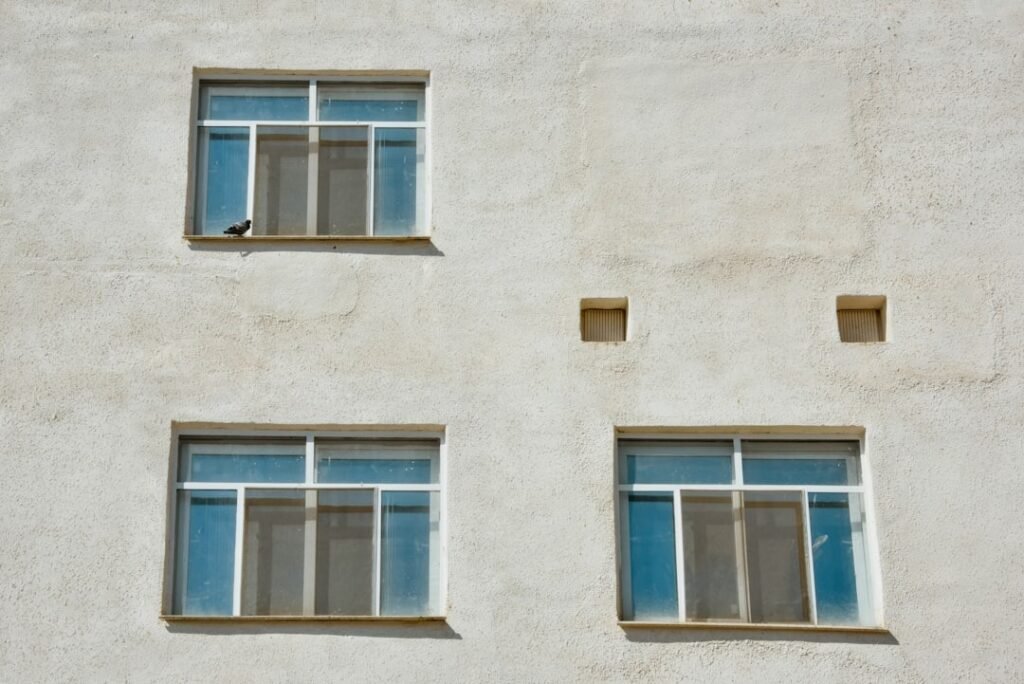
by Hamed Mohtashami pouya (https://unsplash.com/@hamedmohtashami)
Have you noticed a spike in your energy bills? Inefficient windows could be the culprit. Windows play a crucial role in your home’s energy efficiency, and older windows often lack the insulation needed to keep your home comfortable year-round. Replacing old windows with energy-efficient models can significantly reduce your heating and cooling costs.
Fading Furniture and Flooring
Sunlight streaming through your windows is lovely, but it can cause damage over time. If you notice that your furniture, flooring, or artwork is fading, it’s a sign that your windows aren’t blocking UV rays effectively. Modern windows are designed to filter harmful UV rays, protecting your interiors from fading and damage.
Outdated Appearance
Windows contribute significantly to your home’s curb appeal. If your windows look outdated or don’t match the style of your home, it might be time for an upgrade. New windows can enhance your home’s aesthetic appeal, increase its value, and give it a fresh, modern look.
Frequent Repairs
Are you constantly repairing your windows? Whether it’s fixing broken glass, replacing seals, or addressing frame issues, frequent repairs are a sign that your windows are nearing the end of their lifespan. Instead of spending money on continuous repairs, investing in new windows will provide a long-term solution and peace of mind.
Signs of Water Damage
Keep an eye out for signs of water damage around your windows, such as peeling paint, mold, or water stains. These are indicators that your windows aren’t sealing properly and are allowing moisture to seep into your home. Water damage can lead to serious structural issues if not addressed, so consider replacing your windows to prevent further problems.
Conclusion
Recognizing the signs that it’s time to replace your windows can save you money and improve your home’s comfort and efficiency. From drafty windows to high energy bills, the indicators are often clear. By investing in a home window upgrade, you can enhance your home’s aesthetic appeal, reduce energy costs, and ensure a more comfortable living environment. If you’ve noticed any of these signs, it might be time to consider replacing your old windows with newer, more efficient models.