

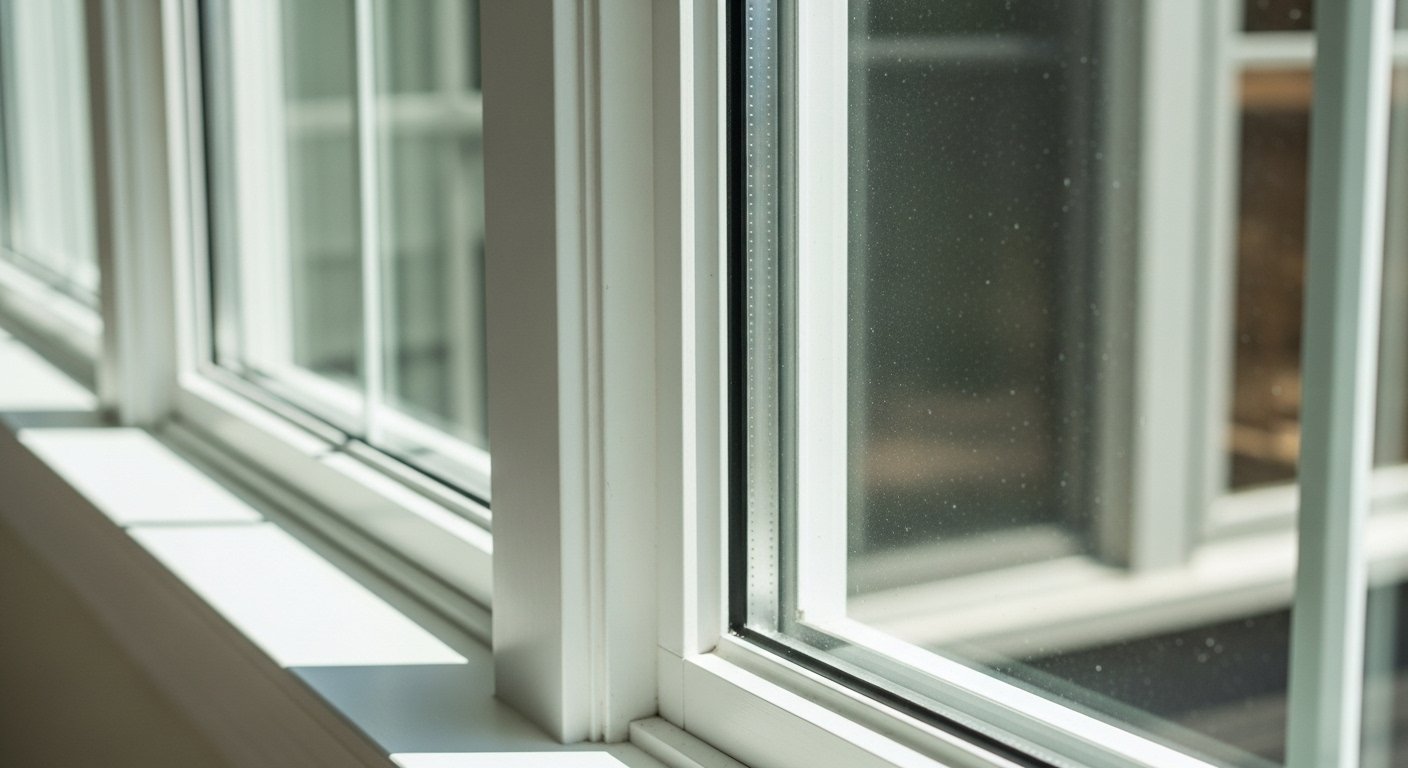
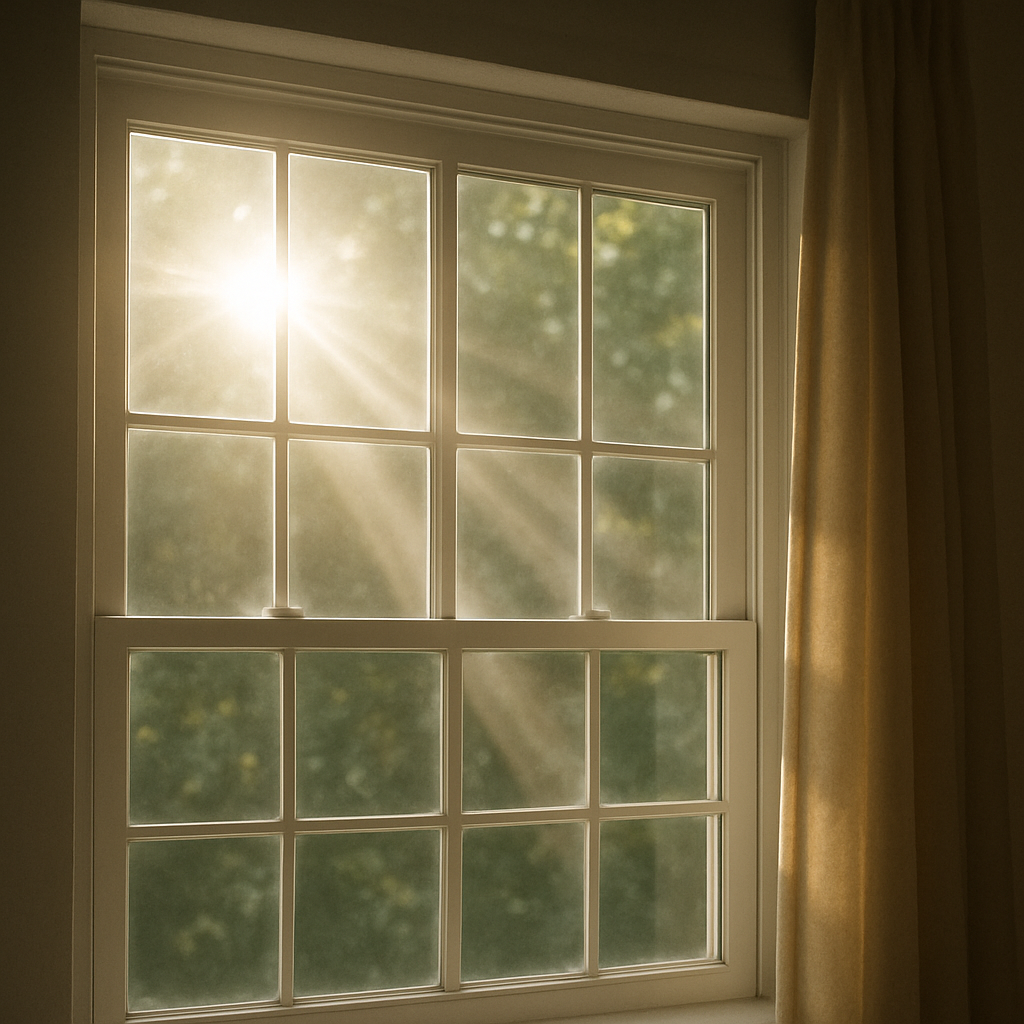
Windows are a crucial component of any home, providing light, ventilation, and a connection to the outside world. They play a key role in the architectural integrity and design of your home, influencing both interior and exterior aesthetics. However, without regular maintenance, windows can become a source of energy loss, drafts, and even water damage. Such issues can lead to discomfort and increased energy bills, impacting your household budget.
By taking the time to care for your windows, you can improve the comfort of your home and save on energy costs. Regular maintenance ensures that your windows operate smoothly, providing effective insulation and protection against external elements. Additionally, well-maintained windows can significantly enhance the resale value of your home, making it more attractive to potential buyers.
Benefits of Regular Window Maintenance
- Improved Energy Efficiency: Clean and well-sealed windows help maintain indoor temperatures, reducing the need for heating and cooling. This can lead to significant savings on your energy bills throughout the year.
- Enhanced Curb Appeal: Well-maintained windows contribute to the overall look of your home, making it more attractive to visitors and potential buyers. They add to the architectural beauty and can be a focal point in your home’s design.
- Extended Lifespan: Regular maintenance can prevent damage and prolong the life of your windows, saving you money on replacements. By addressing minor issues early on, you can avoid costly repairs and replacements in the future.
Cleaning Your Windows

One of the simplest ways to maintain your windows is by keeping them clean. Dirt and grime can accumulate on both the interior and exterior surfaces, affecting visibility and potentially leading to damage. Clean windows not only look better but also allow more natural light into your home, creating a brighter and more inviting atmosphere.
Regular cleaning can prevent the build-up of harmful substances that may scratch or deteriorate the glass over time. It also provides an opportunity to inspect your windows for any signs of damage or wear, allowing you to address issues promptly.
How to Clean Windows Effectively
- Gather Your Supplies: You’ll need a bucket, mild soap, water, a sponge or soft cloth, a squeegee, and a microfiber towel. These tools are essential for achieving a thorough and streak-free clean.
- Remove Dust and Cobwebs: Start by dusting the window frame and sill to remove loose debris. This step ensures that dirt doesn’t mix with your cleaning solution, which can cause streaks.
- Wash the Glass: Mix a small amount of mild soap with water in your bucket. Use a sponge or soft cloth to wash the window, starting from the top and working your way down. This technique helps prevent drips and ensures that dirt doesn’t resettle on areas you’ve already cleaned.
- Rinse and Dry: Use a squeegee to remove excess water, wiping the blade with a towel after each pass. Finish by drying the edges and any remaining water with a microfiber towel to prevent water spots.
Tips for Streak-Free Windows
- Clean windows on a cloudy day to prevent the cleaning solution from drying too quickly and leaving streaks. Direct sunlight can cause the cleaning solution to evaporate too fast, leading to unsightly marks.
- Use a criss-cross pattern when squeegeeing to avoid lines. This method ensures that you cover the entire surface evenly.
- For stubborn spots, use a mixture of vinegar and water or a specialized window cleaner. These solutions can effectively tackle hard-to-remove stains and residues.
Repairing and Maintaining Window Frames
Window frames can suffer from wear and tear over time, especially if exposed to harsh weather conditions. Regular inspections and repairs can prevent minor issues from becoming major problems. Maintaining window frames is crucial for the structural integrity of your windows and the overall security of your home.
Frames that are in good condition provide better insulation, reducing energy costs and enhancing comfort. Moreover, well-maintained frames contribute to the aesthetic appeal of your home, complementing both interior and exterior design elements.
Common Window Frame Issues
- Cracked or Peeling Paint: This can lead to wood rot and should be addressed promptly. Paint acts as a protective barrier against moisture, and any damage can compromise this protection.
- Drafts: Gaps or cracks in the frame can allow cold air to enter, increasing energy costs. Addressing drafts is essential for maintaining a comfortable indoor environment.
- Water Damage: Signs include discoloration, warping, or mold growth around the frame. Such issues can weaken the frame and lead to more extensive damage if not treated.
How to Repair Window Frames
- Inspect the Frame: Regularly check for signs of damage, such as peeling paint, cracks, or soft spots. Early detection is key to preventing further deterioration.
- Seal Gaps and Cracks: Use caulk or weatherstripping to seal any gaps or cracks that may be causing drafts. These materials are effective barriers against air and moisture infiltration.
- Repaint or Refinish: Remove any loose paint, sand the surface, and apply a fresh coat of paint or finish to protect the frame from the elements. This not only enhances appearance but also extends the frame’s life.
Weatherproofing Your Windows

by Mark Fletcher-Brown (https://unsplash.com/@markfb)
Weatherproofing is an essential step in window maintenance, particularly in regions with extreme weather conditions. Proper weatherproofing can help prevent drafts, reduce energy costs, and protect your home from water damage. It ensures that your windows can withstand seasonal changes and harsh weather, maintaining comfort and efficiency.
In addition to protecting against drafts, weatherproofing measures can also enhance the security of your windows, making them more resistant to forced entry. By investing in weatherproofing, you can safeguard your home and extend the life of your windows.
Steps to Weatherproof Your Windows
- Apply Weatherstripping: Install weatherstripping around the window frame to seal gaps and prevent drafts. Choose a type that is suitable for your window design, such as adhesive-backed foam or V-strip. This is a cost-effective way to improve insulation.
- Use Window Film: Apply window film to reduce heat loss and increase insulation. This is especially useful for older windows that are less energy-efficient. Window film can also reduce glare and protect furnishings from UV damage.
- Install Storm Windows: Consider adding storm windows for an extra layer of protection against harsh weather conditions. These can be particularly beneficial in areas prone to severe weather.
- Check Seals and Caulking: Inspect the seals and caulking around your windows regularly and replace any that are cracked or missing. Maintaining these seals is crucial for preventing water and air leaks.
Preventing Drafts and Improving Insulation
Drafty windows can make your home uncomfortable and increase energy costs. By improving insulation, you can enhance the energy efficiency of your windows and create a more comfortable living environment. Effective insulation keeps your home warm in the winter and cool in the summer, ensuring year-round comfort.
Addressing drafts not only improves comfort but also reduces the strain on your heating and cooling systems, potentially extending their lifespan. It is a proactive approach to maintaining a sustainable and cost-efficient home.
Tips for Preventing Drafts
- Draft Stoppers: Place draft stoppers or snakes at the base of your windows to block cold air. These simple solutions can make a noticeable difference in reducing drafts.
- Thermal Curtains: Use thermal or insulated curtains to add an extra layer of protection against drafts. They also provide additional privacy and can enhance interior decor.
- Double-Glazing: If possible, upgrade to double-glazed windows, which provide better insulation than single-pane windows. Double glazing offers significant energy savings and noise reduction benefits.
Ensuring Window Longevity
By implementing the tips outlined in this guide, you can significantly extend the lifespan of your windows and maintain their functionality and appearance. Regular maintenance not only preserves the structural integrity of your windows but also ensures they operate smoothly and efficiently.
Consistent care and attention can prevent minor issues from escalating into major problems, saving you time and money in the long run. A commitment to window maintenance is an investment in the comfort and value of your home.
Regular Maintenance Checklist
- Monthly: Dust window sills and frames, check for drafts, and clean the glass. Routine cleaning keeps your windows looking their best and allows you to spot potential issues early.
- Seasonally: Inspect and repair any damage to frames, apply weatherproofing measures, and wash windows thoroughly. Seasonal checks help prepare your windows for changing weather conditions.
- Annually: Repaint or refinish window frames as needed and evaluate the condition of seals and caulking. Annual maintenance ensures long-term protection and efficiency.
By making window maintenance a regular part of your home care routine, you can enjoy the benefits of well-maintained windows for years to come. Not only will this improve the comfort and energy efficiency of your home, but it will also enhance its overall appeal and value. Prioritizing your windows is a smart and effective way to care for your home, ensuring it remains a beautiful and efficient living space.