

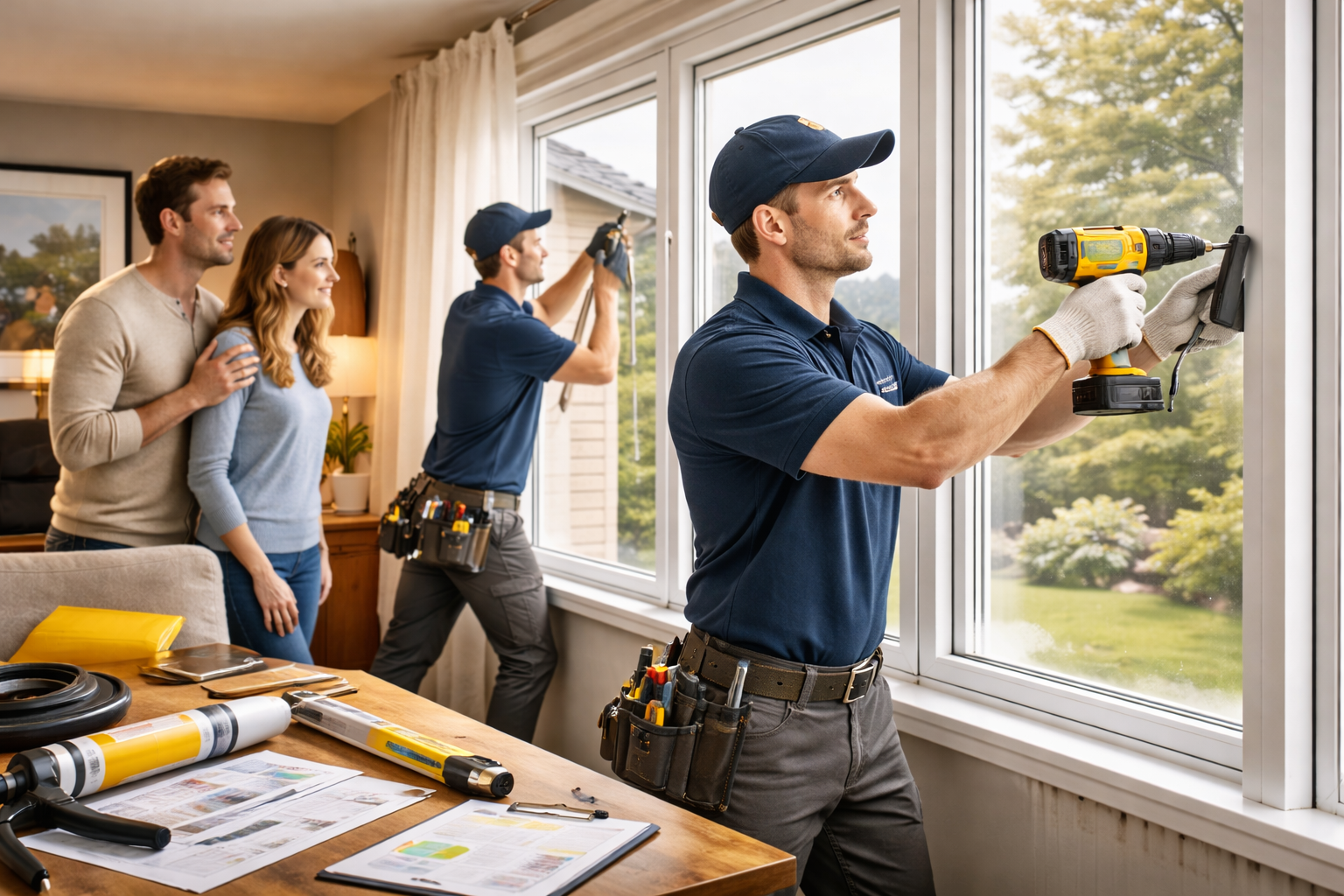
As homeowners become more conscious of energy use, comfort, and long-term value, glass technology has taken center stage in modern window design. One of the most impactful innovations in recent decades is low E glass windows, which are engineered to protect homes from extreme temperatures, sunlight damage, and energy loss throughout the year.
Understanding how this type of glass works—and why it matters—can help homeowners make smarter decisions that improve comfort, efficiency, and savings in 2026 and beyond.
What Is Low-E Glass?
Low-E stands for “low emissivity,” a term that describes how effectively a surface reflects heat rather than absorbing it. Low emissivity glass is coated with an ultra-thin, transparent layer of metal or metallic oxide that reflects infrared energy while still allowing visible light to pass through.
This coating is so subtle that it’s virtually invisible, yet powerful enough to significantly improve how windows perform in all seasons.
How Low-E Glass Works in Every Season
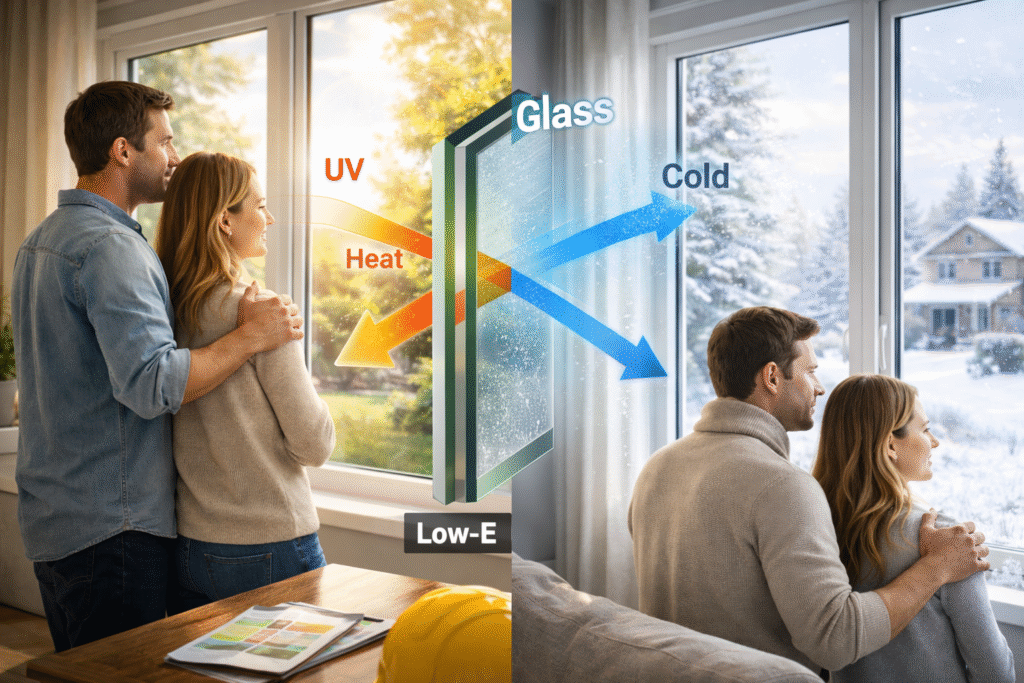
Low-E glass is designed to adapt to both hot and cold conditions by managing heat transfer:
- In winter, it reflects indoor heat back into the home
- In summer, it reflects outdoor heat away from interior spaces
- Year-round, it minimizes temperature fluctuations
This dynamic performance makes it an ideal solution for homeowners looking to maintain comfort without overworking their HVAC systems.
Protecting Your Home from Sun Damage
Sunlight may brighten your home, but it can also cause fading and damage over time. One of the major advantages of Low-E glass is its role as UV protection windows, blocking a large percentage of harmful ultraviolet rays.
This protection helps preserve:
- Furniture and upholstery
- Flooring and area rugs
- Artwork and window treatments
- Interior finishes
By limiting UV exposure, homeowners can extend the life and appearance of their interiors.
Managing Heat Without Blocking Natural Light
Unlike tinted or darkened glass, Low-E technology allows homes to stay bright while remaining comfortable. As heat reflecting windows, these systems reduce solar heat gain without sacrificing daylight or views.
Homeowners benefit from:
- Cooler indoor temperatures during warmer months
- Reduced glare without dark interiors
- Balanced lighting throughout living spaces
This balance between light and heat control enhances both comfort and aesthetics.
The Science Behind Advanced Window Design
Low-E coatings are a key part of modern window glazing technology, which combines multiple elements to improve performance. These systems often include multiple panes, gas fills, and precision coatings working together as a unified system.
Advanced glazing helps:
- Reduce thermal transfer
- Improve insulation
- Enhance durability
- Support consistent indoor temperatures
The result is a window that performs efficiently without constant maintenance or adjustment.
Controlling Solar Heat Gain Effectively
In regions with strong sunlight, managing solar heat is essential. Low-E glass often incorporates solar control glass properties that limit how much solar energy enters the home.
This helps homeowners:
- Reduce reliance on air conditioning
- Maintain comfortable indoor temperatures
- Prevent overheating in sun-facing rooms
- Improve overall energy balance
Solar control plays a vital role in creating a more livable home environment year-round.
Energy Efficiency That Pays Off Over Time
One of the most compelling reasons homeowners choose Low-E glass is its long-term savings potential. As a form of energy efficient glass, it helps reduce heating and cooling demands, leading to lower utility bills and improved efficiency.
Key financial and practical benefits include:
- Reduced monthly energy costs
- Improved HVAC system longevity
- Increased home value
- Strong return on investment
Efficiency upgrades like Low-E glass continue to deliver value long after installation.
Why Installation and Quality Matter
Even the best glass technology depends on proper installation to perform as intended. Professional installation ensures correct placement, airtight seals, and full integration with window frames and wall systems.
Quality materials combined with expert craftsmanship maximize the benefits of Low-E glass and ensure reliable performance for years to come.
Preparing Your Home for the Future
As energy standards continue to evolve, homeowners who invest in advanced window solutions position themselves ahead of rising costs and changing expectations. Low-E glass is no longer a luxury—it’s a practical, forward-thinking choice for modern living.
Homes equipped with efficient windows are better prepared to meet future demands for comfort, sustainability, and value.
Conclusion
Low-E glass is one of the most effective ways to protect your home throughout the year. By managing heat, blocking harmful rays, and improving overall efficiency, it creates a more comfortable and cost-effective living environment. For homeowners looking to combine performance, comfort, and long-term savings, Low-E glass offers a smart and lasting solution.