

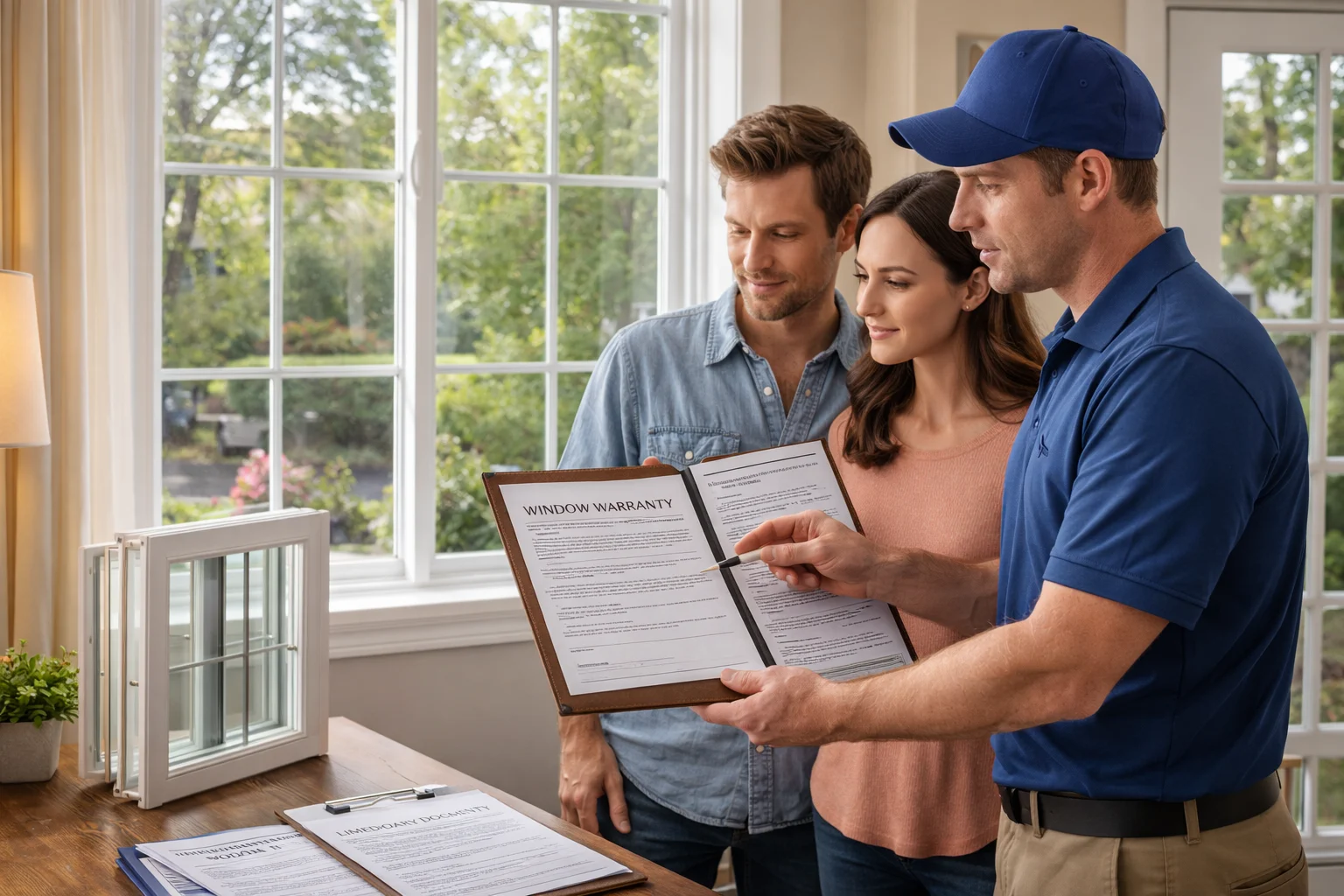
When homeowners invest in new windows, they often focus on design, energy efficiency, and curb appeal—but one critical factor is frequently overlooked: the warranty. Understanding how warranties work, what they cover, and why they matter can make a major difference in long-term satisfaction and financial protection. Reputable window companies know that a strong warranty is not just a selling point—it’s a promise of quality, accountability, and trust.
This guide breaks down everything homeowners should know about window warranties, helping you make confident, informed decisions that protect your home and your budget.
Why Window Warranties Deserve More Attention
Windows are a long-term home upgrade, not a short-term purchase. Once installed, they are expected to perform reliably for decades. A warranty serves as a safeguard against unexpected issues related to materials, craftsmanship, or installation.
A comprehensive window warranty provides peace of mind by ensuring that if something goes wrong, you’re not left covering costly repairs or replacements. For homeowners, this protection can be just as valuable as the window itself.
What a Window Warranty Typically Covers
Although coverage varies, most warranties include several key components. Understanding these elements helps homeowners evaluate the true value of their purchase.
Common coverage areas include:
- Glass defects or seal failure
- Frame warping, cracking, or deterioration
- Hardware malfunctions
- Manufacturing defects
- Structural integrity issues
Coverage length and conditions can vary depending on the provider, so it’s essential to review the terms carefully before committing.
Manufacturer vs. Installer Coverage
Not all warranties come from the same source. Some protections are backed by the window manufacturer, while others are provided by the installer. Knowing the difference helps clarify who is responsible if an issue arises.
Manufacturer-backed warranties usually cover defects in materials or production. Installer warranties, on the other hand, focus on workmanship—how the window was fitted, sealed, and secured. Ideally, homeowners should choose a provider that offers both, ensuring full-spectrum protection.
Understanding Labor Coverage
One of the most overlooked aspects of warranty protection is labor coverage. Even if a product is covered, repairs can still be costly if labor is excluded. That’s where labor warranty windows become especially valuable.
Labor warranties typically cover:
- Reinstallation costs
- Removal of defective units
- Adjustments caused by installation errors
- Service calls related to covered issues
Without labor coverage, homeowners may still face significant expenses even when parts are replaced at no cost.
The Importance of Clear Guarantees
Strong window guarantees signal confidence in both the product and the installation process. These guarantees often go beyond basic warranties, offering additional assurances such as satisfaction commitments or extended coverage periods.
Clear guarantees benefit homeowners by:
- Reducing long-term risk
- Increasing trust in the provider
- Simplifying service claims
- Offering transparent expectations
A company willing to stand behind its work is more likely to deliver consistent quality.

Why Warranties Protect Your Long-Term Investment
New windows are a significant upgrade, and protecting that window investment is essential. A strong warranty ensures that your financial commitment continues to deliver value long after installation day.
Long-term benefits include:
- Reduced out-of-pocket repair costs
- Improved resale appeal
- Increased buyer confidence
- Greater product lifespan
For homeowners planning to stay long-term—or sell in the future—a transferable warranty can also add appeal to potential buyers.
Questions Homeowners Should Ask Before Signing
Before choosing a provider, homeowners should take time to fully understand warranty terms. Asking the right questions helps avoid surprises later.
Key questions include:
- How long does the coverage last?
- Is the warranty transferable to future homeowners?
- What specific components are covered?
- Are labor and service calls included?
- What actions could void the warranty?
Clear answers help homeowners compare providers and choose confidently.
Common Warranty Limitations to Watch For
While warranties offer protection, they often include exclusions or conditions. Understanding these details is essential for setting realistic expectations.
Common limitations may include:
- Damage caused by improper maintenance
- Normal wear and tear
- Installation by unauthorized contractors
- Environmental damage beyond design limits
- Modifications made after installation
Reading the fine print helps homeowners maintain coverage and avoid accidental voids.
How Warranties Influence Buying Decisions
Savvy homeowners increasingly factor warranty strength into their purchasing decisions. A product with a longer, more comprehensive warranty often reflects higher manufacturing standards and better installation practices.
In competitive markets, warranty protection can be the deciding factor between similar products. It demonstrates professionalism, accountability, and long-term commitment—qualities homeowners value when making major upgrades.
The Role of Professional Installation
Even the best warranty cannot compensate for poor installation. Proper fitting, sealing, and alignment are essential for performance and coverage validity. Choosing experienced professionals ensures that warranty terms remain intact and that windows perform as intended.
Quality installation supports:
- Full warranty eligibility
- Long-term performance
- Fewer service issues
- Greater homeowner satisfaction
Conclusion
Understanding window warranties empowers homeowners to protect their homes, their finances, and their peace of mind. A strong warranty reflects product quality, professional installation, and long-term accountability. By carefully reviewing coverage details and choosing providers who stand behind their work, homeowners can feel confident that their window upgrade will deliver lasting value and dependable performance for years to come.