

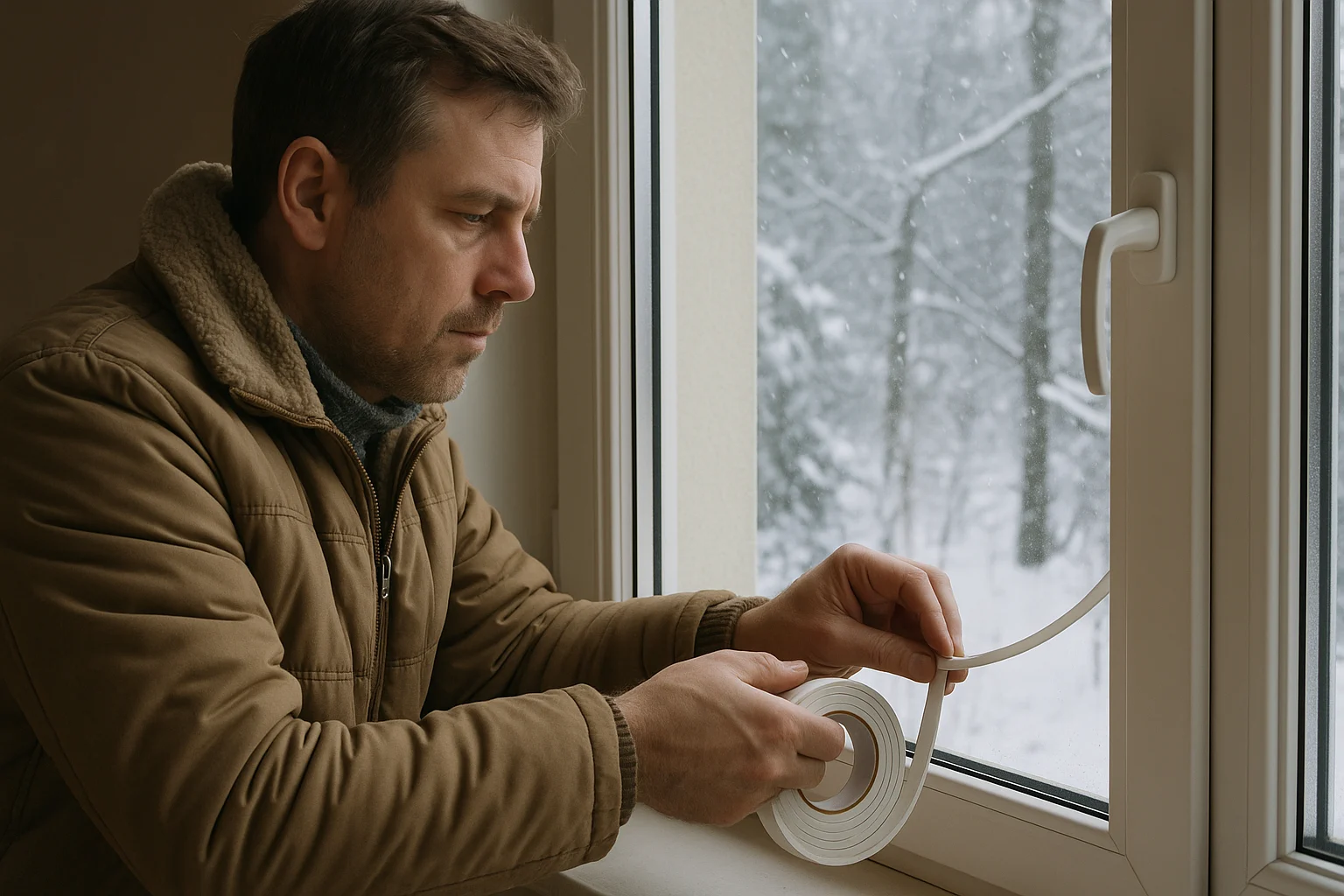
As temperatures drop and seasonal storms roll in, preparing your home for colder months becomes essential. One of the most effective ways to improve comfort and efficiency is through window weatherproofing, a process that strengthens insulation, reduces drafts, and protects your home from winter’s harsh conditions. Whether you live in a snowy climate or simply experience cooler temperatures, upgrading your window protection can lead to significant reductions in energy usage and heating costs.
This guide explores practical methods to fortify your windows during winter, highlighting techniques, materials, and strategies to help you maintain a warm, efficient, and comfortable home all season long.
Why Winter Window Preparation Matters
Windows are one of the primary sources of heat loss in residential homes. Outdated or unprotected systems allow cold air to seep in and warm air to escape. This not only makes your home less comfortable but also increases your heating bills.
Proper winterization becomes crucial when working with a cold-weather window, especially in regions with freezing temperatures, heavy winds, or fluctuating humidity. Weatherproofing strengthens your home’s insulation, reduces mechanical strain on your heating system, and enhances your overall comfort.
Identifying Common Winter Window Problems
Before adding upgrades or applying treatments, it’s important to identify where your windows may be losing energy. Here are some of the most common issues homeowners face:
- Loose or deteriorated seals
- Cracked or shrinking frames
- Uninsulated glass
- Air gaps between sashes
- Worn-out weatherstripping
- Aging caulking around exterior edges
Once these issues are identified, homeowners can take targeted steps toward sealing drafty windows, improving both comfort and performance throughout winter.
Preventing Wintertime Energy Loss
Energy loss through windows can significantly impact your monthly bills and overall comfort. Investing time in upgrades and inspections is crucial, especially when focusing on energy loss prevention. This includes both structural improvements to the window itself and the addition of insulating materials.
Effective weatherproofing techniques help:
- Reduce heating system workload
- Improve indoor climate consistency
- Lower long-term utility costs
- Protect interiors from cold air infiltration
- Strengthen the home’s overall energy performance
With proper winter preparation, homeowners can enjoy lower bills, better comfort, and greater protection against seasonal weather challenges.
Enhancing Comfort with Insulated Solutions
In addition to structural improvements, homeowners can enhance performance using insulated window treatments, which offer an extra layer of protection during cold months. These treatments help stabilize indoor temperatures by reducing heat transfer through the glass.
Popular options include:
- Thermal curtains
- Cellular (honeycomb) shades
- Draft blockers
- Layered fabric draperies
These solutions are both effective and visually appealing, allowing homeowners to improve window efficiency without sacrificing interior design.
Practical Caulking Techniques for Long-Term Protection
One of the most efficient methods for closing air gaps is through proper caulking. Many homeowners benefit from following professional window caulking tips to ensure precise application and long-lasting results.
Key techniques include:
- Applying caulk during dry weather for maximum adhesion
- Cleaning the surface thoroughly before sealing
- Using the right type of caulk for exterior vs. interior applications
- Starting at the top and moving downward for consistent flow
- Allowing proper curing time before exposing the seal to moisture
Perfecting these techniques significantly improves your window’s insulation, helping maintain indoor warmth and reducing unwanted air leaks.
How Weatherproofing Supports a Warmer Winter Home
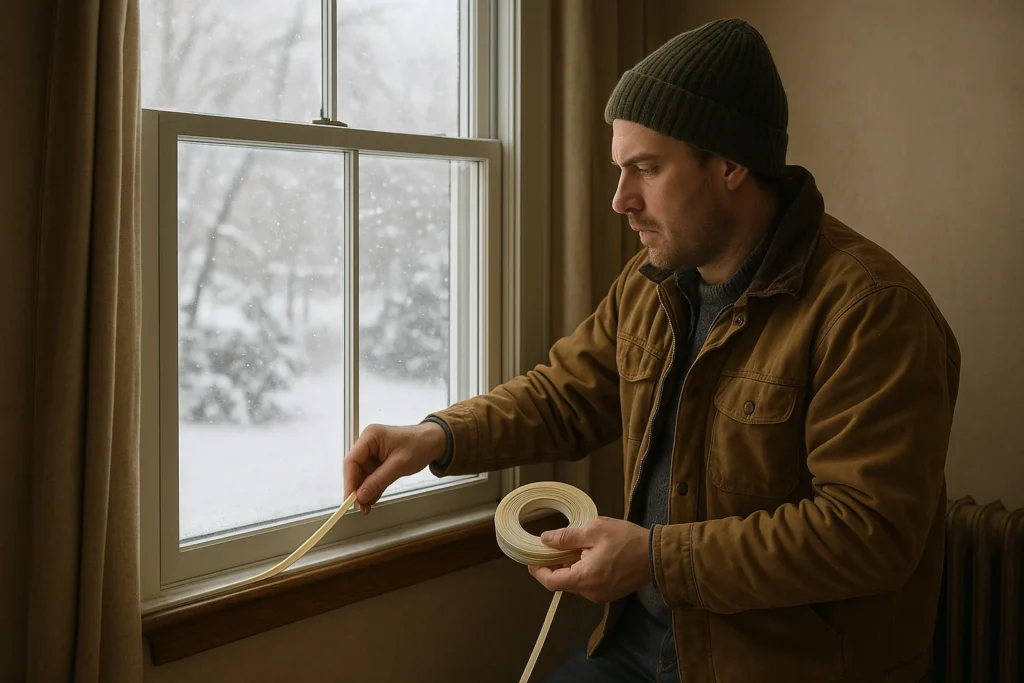
As colder months approach, preparing a winter home becomes essential for protection, comfort, and efficiency. Weatherproofing your windows plays a central role in creating a warm, stable environment.
Benefits include:
- Better indoor temperature control
- Lower heating costs
- Reduced cold spots near windows
- Enhanced comfort during long winter nights
- Stronger protection against seasonal moisture and condensation
With proper preparation, your home becomes a safer, more comfortable retreat during harsh weather conditions.
Incorporating Weatherproofing Into Seasonal Routines
Effective winter preparation doesn’t happen once—it becomes part of ongoing care for your property. Through routine seasonal home maintenance, homeowners can ensure window performance remains strong year after year.
Helpful steps include:
- Scheduling annual inspection of seals and frames
- Checking caulking for cracking or gaps
- Replacing worn-out weatherstripping
- Cleaning condensation to prevent mold
- Inspecting exterior surfaces for damage after storms
By making winterization part of your regular maintenance schedule, you ensure that your windows continue protecting your home efficiently and reliably.
Choosing the Right Winterproofing Strategy
Every home is different, so the best approach depends on your climate, window age, and overall insulation. Homeowners in particularly cold regions may benefit from heavy-duty treatments, while mild climates may only require minimal upgrades.
Consider the following factors:
- Age and material of your current frames
- Level of existing insulation
- Local winter intensity
- Draft levels around window edges
- Energy efficiency goals
Combining structural improvements with decorative treatments often produces the strongest winter protection.
Conclusion
Weatherproofing your windows is one of the most effective ways to prepare your home for colder months. By strengthening insulation, improving sealing, and enhancing overall energy performance, winterizing your windows ensures a more comfortable, efficient, and protected living environment throughout the season. With the right preparation and care, your home stays warm, your energy bills stay low, and your windows perform at their best all winter long.