

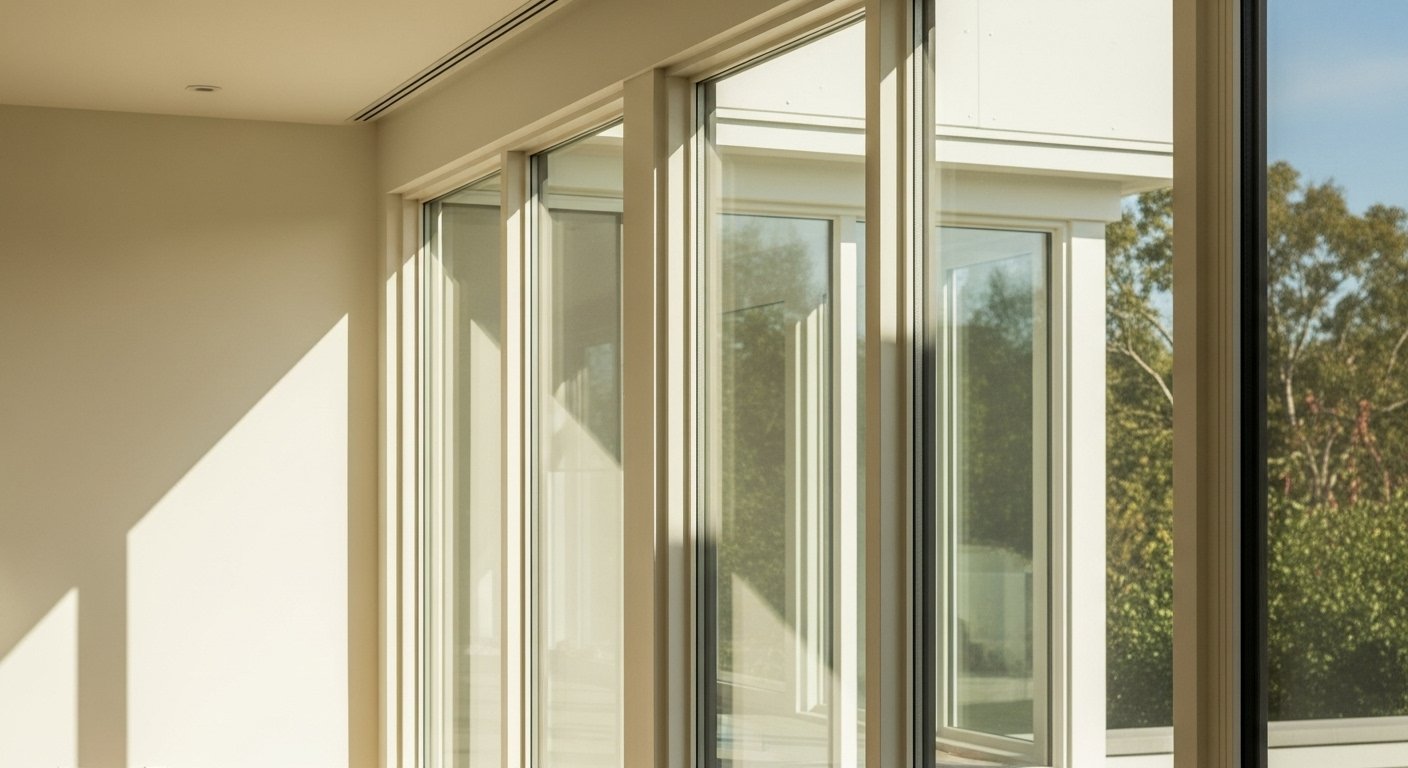
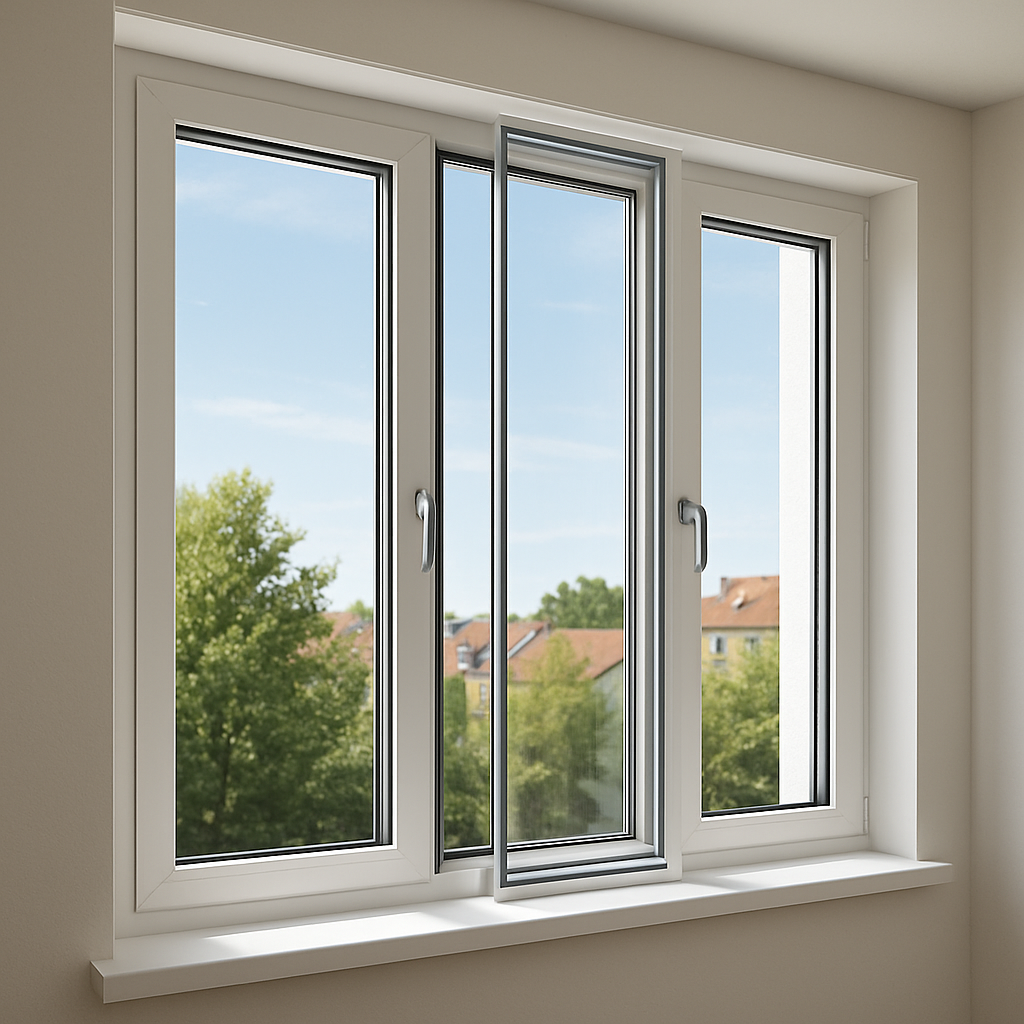
Energy-efficient windows are meticulously engineered to minimize the loss of heated or cooled air from your home. This is accomplished through the use of advanced technologies such as multiple glass panes, special coatings, and gas fills that work together to enhance insulation. When considering window replacement, it’s crucial to understand the various components that contribute to a window’s energy efficiency to make an informed decision.
What Are Thermal Windows?
Thermal windows are a cornerstone of energy-efficient design, featuring multiple panes of glass—typically two or three—that create insulating layers. These layers act as barriers against heat transfer, ensuring your home remains warm during winter and cool during summer. The space between these panes can be filled with inert gases like argon or krypton, which are denser than air, further enhancing the insulating properties. This technology not only reduces energy consumption but also contributes to a quieter indoor environment by dampening external noise.
Thermal windows are not just about insulation; they also play a vital role in reducing the overall energy demand of your home. By maintaining a consistent indoor temperature, your heating, ventilation, and air conditioning (HVAC) system doesn’t have to work as hard, thereby reducing wear and tear and extending its lifespan. This can result in additional savings on maintenance costs and potentially delay the need for expensive HVAC upgrades.
The Role of Low-E Glass
Low-emissivity (low-e) glass is a pivotal component of energy-efficient windows, distinguished by its microscopically thin coating designed to reflect infrared light. This reflection helps keep heat inside during the winter months and outside during the summer, contributing to year-round energy savings. Additionally, low-e coatings block harmful ultraviolet (UV) rays, which can cause fading of furniture, carpets, and other interior furnishings, thus preserving the aesthetic appeal and longevity of your home’s interior.
The benefits of low-e glass extend beyond energy savings and interior preservation. By reducing the amount of UV light entering your home, low-e glass helps maintain a healthier indoor environment. UV rays are known to contribute to the deterioration of materials and can even affect your skin over prolonged exposure. Therefore, investing in low-e glass windows is not just an energy-efficient choice but also a health-conscious one.
Benefits of Window Replacement
Replacing your old windows with energy-efficient models offers a plethora of benefits that go beyond mere energy savings. Let’s explore in detail the advantages of upgrading your windows and how they can positively impact your home and lifestyle.
Significant Energy Savings
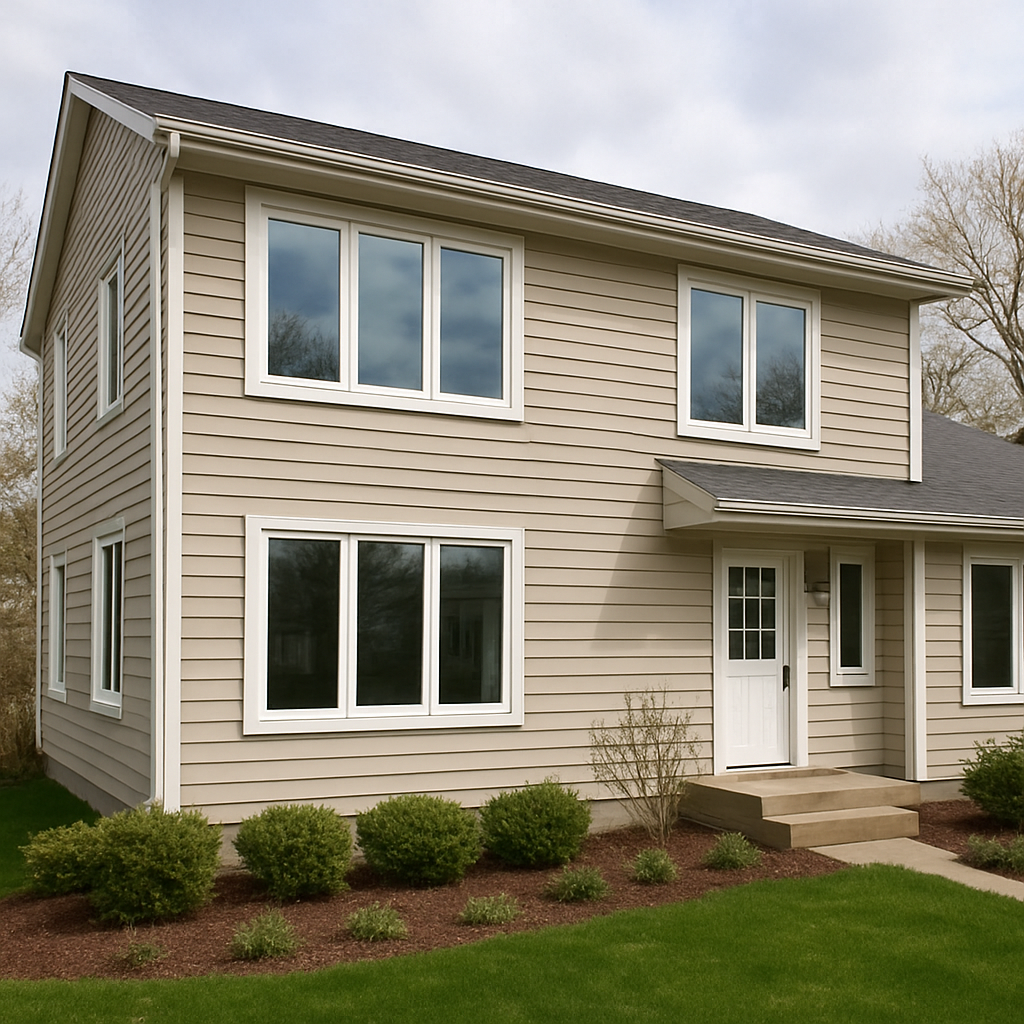
One of the foremost advantages of energy-efficient windows is the marked reduction in energy costs. By minimizing heat transfer, these windows reduce the load on your HVAC system, leading to lower heating and cooling expenses. The U.S. Department of Energy highlights that replacing single-pane windows with ENERGY STAR-rated windows can result in savings of up to $465 annually. Over time, these savings can significantly offset the initial investment in new windows.
In addition to reducing energy bills, energy-efficient windows contribute to a more sustainable lifestyle by lowering your home’s overall energy consumption. This reduction in energy use means less reliance on fossil fuels and a corresponding decrease in greenhouse gas emissions. By choosing energy-efficient windows, you’re making a conscious decision to support a more sustainable future while simultaneously reaping financial rewards.
Improved Thermal Insulation
Energy-efficient windows offer enhanced thermal insulation, ensuring a more comfortable indoor environment throughout the year. By eliminating drafts and cold spots, these windows help maintain a stable indoor temperature, providing consistent comfort irrespective of the weather outside. This improved insulation not only enhances your living experience but can also be particularly beneficial for individuals with health conditions sensitive to temperature fluctuations.
Moreover, the improved thermal insulation provided by energy-efficient windows can lead to a more balanced indoor climate, reducing the need for supplementary heating or cooling appliances. This can result in further energy savings and a decrease in household clutter, as fewer devices are required to maintain a comfortable environment. The peace of mind that comes with knowing your home is well-insulated and energy-efficient is an added bonus.
Increased Property Value
Investing in new windows can significantly boost your home’s market value. Energy efficiency is a top priority for modern homebuyers, and having energy-efficient windows can make your property more appealing in a competitive real estate market. Potential buyers are often willing to pay a premium for homes with upgraded features that promise lower utility costs and a reduced environmental impact. Thus, window replacement is a savvy investment that can yield a high return when it’s time to sell your home.
Beyond the financial benefits, new energy-efficient windows can enhance your home’s aesthetic appeal, both inside and out. With a wide range of styles and finishes available, you can choose windows that complement your home’s architectural design, further increasing its curb appeal. This not only adds value to your property but also enhances your personal enjoyment of your home.
Understanding Window Energy Ratings
When purchasing new windows, it’s vital to understand the various energy ratings that indicate a window’s performance. These ratings provide valuable information that can help you make informed decisions and select windows that align with your specific needs and climate conditions.
U-Factor and Solar Heat Gain Coefficient (SHGC)
The U-factor measures a window’s ability to prevent heat from escaping, whereas the Solar Heat Gain Coefficient (SHGC) indicates how well a window blocks heat from the sun. Lower U-factor and SHGC values are indicative of superior energy performance. To maximize energy savings, look for windows with low U-factor and SHGC values, especially if you live in areas with extreme weather conditions.
Understanding these ratings is essential for selecting windows that optimize energy efficiency for your specific climate. For instance, in colder climates, a low U-factor is crucial for retaining heat, while in warmer climates, a low SHGC is vital to minimize solar heat gain. By choosing windows with the appropriate ratings, you can tailor your energy efficiency efforts to suit your local climate and achieve the best results.
Energy Star Certification

by Tim Mossholder (https://unsplash.com/@timmossholder)
The Energy Star label is a trusted symbol for energy efficiency, representing products that meet stringent energy performance standards set by the U.S. Environmental Protection Agency. Windows that earn the Energy Star certification have been independently tested and verified to ensure they deliver the highest levels of efficiency. Choosing Energy Star-certified windows guarantees that you’re investing in products that offer optimal energy savings and environmental benefits.
In addition to energy savings, Energy Star-certified windows often qualify for rebates and incentives offered by utility companies and government programs. These financial incentives can help offset the initial cost of window replacement, making the investment more accessible and financially appealing. By selecting Energy Star windows, you’re not only choosing efficiency but also potentially reducing your upfront expenses.
Choosing the Right Windows for Your Home
Selecting the right energy-efficient windows involves considering various factors, including your climate, budget, and aesthetic preferences. Here are some tips to guide you in choosing the best windows for your home.
Consider Your Climate
The climate in your region plays a significant role in determining the ideal type of windows for your home. In colder climates, focus on windows with low U-factors to ensure better insulation and heat retention. Conversely, in warmer climates, prioritize windows with low SHGC values to effectively reduce solar heat gain and keep your home cooler. Understanding your local climate conditions will help you select windows that enhance energy efficiency and comfort.
Moreover, it’s essential to consider seasonal variations and how they might affect your home’s energy needs. For instance, regions with hot summers and cold winters may benefit from windows that offer a balanced performance in both insulation and solar heat gain control. By taking a comprehensive approach to your climate considerations, you can choose windows that provide year-round energy savings and comfort.
Budget and Aesthetic Preferences
While energy efficiency is paramount, it’s also important to consider your budget and aesthetic preferences when selecting new windows. Energy-efficient windows are available in a variety of styles, materials, and price ranges, allowing you to find options that align with your financial constraints and design tastes. Whether you prefer the traditional look of wood or the low maintenance of vinyl, there are choices available to suit your aesthetic and budgetary needs.
In addition to style and cost considerations, think about the long-term maintenance requirements of different window materials. Some materials may offer lower upfront costs but require more maintenance over time, while others might have a higher initial investment but offer durability and minimal upkeep. By weighing these factors, you can make a well-informed decision that balances aesthetics, budget, and long-term value.
Professional Installation
Proper installation is crucial to maximizing the performance of your new windows. Hiring a professional installer ensures that your windows are fitted correctly, preventing air leaks and ensuring optimal energy efficiency. A well-installed window will function as intended, providing the energy savings you expect and enhancing your home’s comfort and value.
Investing in professional installation also offers peace of mind, knowing that your windows are installed according to industry standards and best practices. This can prevent potential issues down the line, such as water infiltration or structural damage, which could lead to costly repairs. By choosing professional installation, you protect your investment and ensure that your energy-efficient windows deliver the benefits you anticipate.
The Role of Argon Gas Windows
Argon gas windows are a popular choice for homeowners looking to enhance their home’s energy efficiency. Let’s take a closer look at how these windows work and their benefits.
What Are Argon Gas Windows?
Argon gas windows feature an insulating layer of argon gas between the panes of glass. Argon is a colorless, non-toxic gas that is denser than air, providing better insulation and reducing heat transfer. This technology improves a window’s thermal performance without affecting its clarity or appearance, making it an attractive option for homeowners seeking both efficiency and aesthetics.
The use of argon gas in windows represents a significant advancement in window technology, offering superior insulation compared to traditional air-filled windows. By minimizing heat loss and gain, argon gas windows contribute to a more stable indoor climate, reducing the need for additional heating or cooling. This not only lowers energy bills but also supports a more environmentally-friendly lifestyle.
Benefits of Argon Gas Windows
Argon gas windows offer several advantages, including increased energy efficiency, reduced condensation, and enhanced soundproofing. By minimizing heat loss and gain, these windows contribute to lower energy bills and a more comfortable living environment. Additionally, the reduced condensation on argon gas windows helps prevent moisture-related issues, such as mold growth, which can compromise indoor air quality and structural integrity.
In terms of soundproofing, the density of argon gas provides an added layer of noise reduction, making it an ideal choice for homes located in busy or noisy areas. This added sound insulation can enhance the tranquility of your home, creating a more peaceful and enjoyable living space. By choosing argon gas windows, you’re investing in a solution that offers multiple benefits, from energy savings to improved comfort and well-being.
Conclusion: Invest in Energy-Efficient Windows Today
Energy-efficient windows are a wise investment that can save you money, enhance your home’s comfort, and increase its value. By understanding the different technologies and ratings, you can choose the best windows for your needs. Whether you’re considering thermal windows, low-e glass, or argon gas windows, upgrading to energy-efficient windows is a step toward a more sustainable and cost-effective future.
Moreover, the decision to invest in energy-efficient windows reflects a commitment to reducing your environmental impact and supporting a healthier planet. As energy costs continue to rise and climate change becomes an increasingly pressing issue, making informed choices about your home’s energy efficiency is more important than ever. By choosing energy-efficient windows, you’re contributing to a more sustainable future while enjoying the immediate benefits of reduced energy costs and enhanced home comfort.